


LNG Prices Fall From 2026 Highs
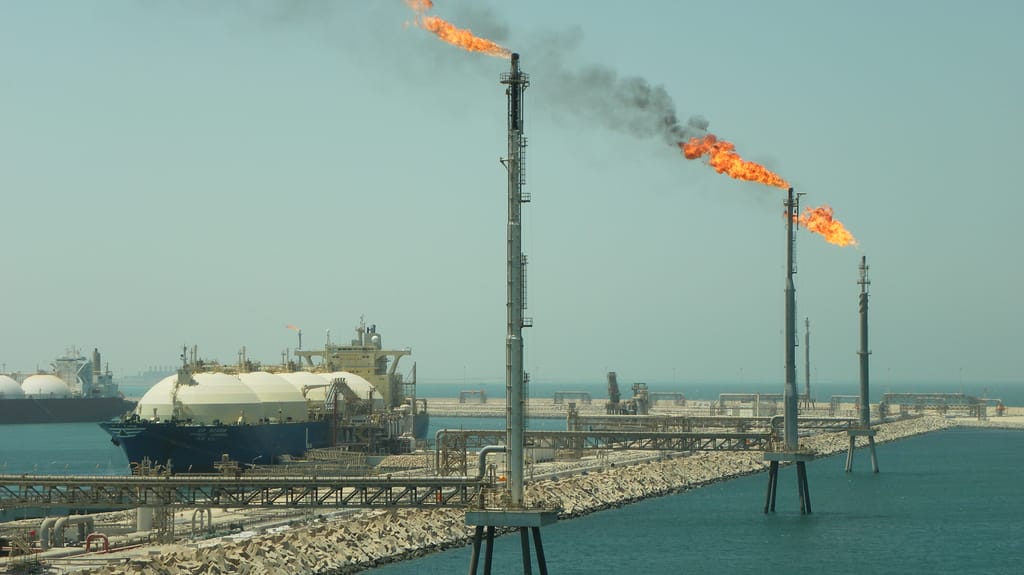
In a development which has surprised even traders in the London LNG commodities market, prices for LNG have been falling and come off year-long peaks in recent days, despite there being no agreement on a return to normality in the Strait of Hormuz.
With vessels navigating with AIS transponders off, and all operators maintaining tight operational security over movements, it is difficult to give an accurate picture of traffic flows through the Strait. But commodity brokers and ship brokers guess that the lift of LNG through the Strait is at about 20% of pre-war levels, with shuttle tankers conducting ship-to-ship transfer of LNG once safely out of the danger zone. LNGCs moving UAE-loaded LNG appear to be taking the Omani coastal route. LNG carriers which have loaded at Ras Laffan and appear slated to unload in Pakistan appear also to be taking the southern route, with the possibility that the IRGC are holding fire.
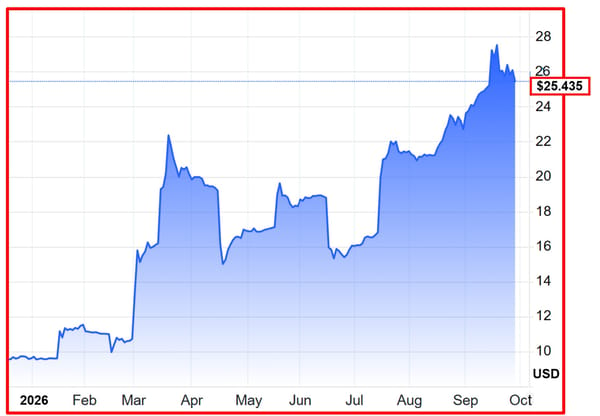
LNG JKM prices (USD/MMBTU) (data from Trading Economics)
The shortfall between what is getting through the Strait in recent weeks and what normally does, looks as if it is being filled by a cutback in demand consequent upon higher prices, but primarily from increased production in Canada, the United Sates and Malaysia, and to a lesser degree from Australia and Oman. That the market has achieved balance is suggested by storage levels in India, where facilities are nearly reaching capacity, and indeed with some stock now being sold on.
Whilst the global shortage of diesel is well-advertised, and is reflected in very high prices at pumps in the United States, shortages of supply are not being felt in every product category. LNG prices have fallen, and crude prices are settling after the scare cause by Houthi disruptions to the Saudi East-West pipeline, now coming back on stream. 10 million barrels were loaded at Yanbu on September 28, and Kpler reports that Saudi crude loadings over the last week averaged 8.5mbd, well above pre-war levels. Crude exports from Gulf countries are now running at about 80% of pre-war levels.
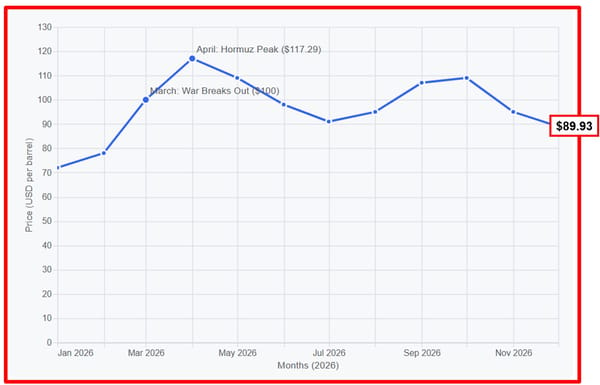
2026 Brent Crude Oil Prices ($/bbl) (data from Kpler)
Prices have certainly risen during the crisis, but not perhaps to the levels which analysts expected, and suggesting that supply and demand mechanisms have been able to handle the shocks to the system. In large part, the maritime community has shown a high degree of agility, switching rapidly from previously established trading routes to alternatives – and commanding premium rates for doing so.
Two particular problems need to be addressed with some urgency: the lack of alternative strategic trade routes along with identification of potential choke points against which contingency plans must be in place, and the failure of some nations to have adequate reserves and to preserve domestic production of critical petrochemical products such as diesel and jet fuel.

that matters most
Get the latest maritime news delivered to your inbox daily.
There is always scope in such circumstances for an accident or incident to provoke an escalation, and the Iranians may well seek to escape the effects of the blockade by increasing attacks on those risking the transit – or by repeating attacks made to pipelines and terminals. But in general, the data suggests that the storm is being ridden out successfully.
