


Trump Administration to Pay RWE $1.22B in Fifth Deal to End Offshore Wind
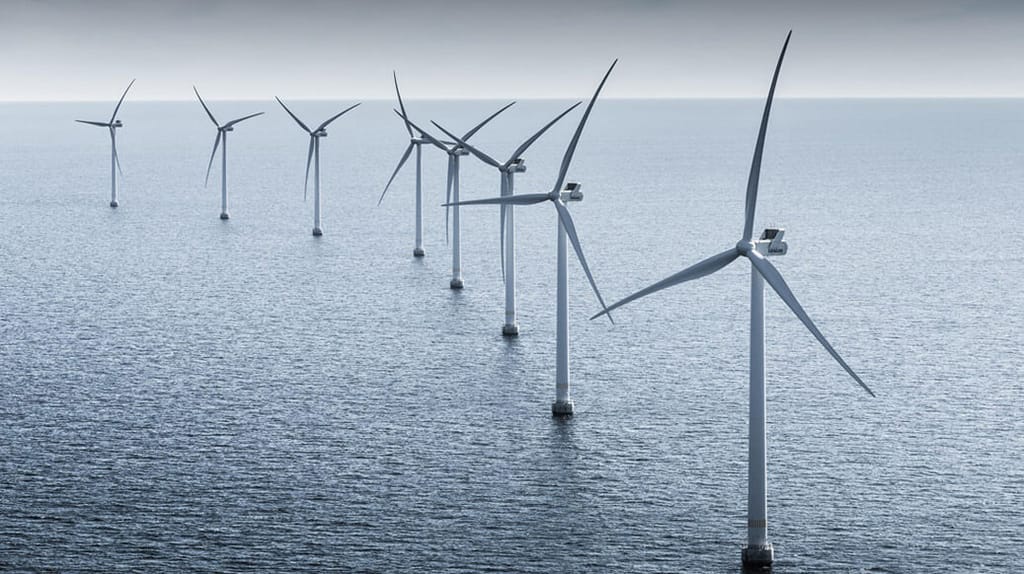
Germany’s energy giant RWE and the Trump administration have reached a settlement agreement that calls for the Department of the Interior to pay RWE $1.22 billion to relinquish three U.S. offshore wind leases and instead invest in LNG energy projects. It is the fifth deal the Department of the Interior has made with wind energy developers, committing to reimburse more than $3.9 billion, although states are suing to stop the deals.
The buyback policy is the latest effort by the Trump administration in its efforts to stop offshore wind energy and other renewable energy projects in favor of fossil fuel development. The administration has lost court cases where it attempted to suspend work on under-construction offshore wind energy projects, and just this week, a federal judge in Oregon said she was inclined to order the Pentagon to resume reviewing applications for offshore wind projects. The Trump administration imposed a moratorium on reviewing all wind energy projects, which has already been overturned by a court, while the Pentagon has made claims about “national security” issues and interference from wind turbines.
“Americans deserve an energy system built on common sense, not one dependent on costly subsidies or technologies that can't meet our country’s current demand,” said Interior Secretary Doug Burgum after RWE announced today’s agreement. “We welcome RWE’s agreement and voluntary investment in projects that strengthen our nation's energy security.”
RWE held three offshore leases in the United States, including one in the New York Bight, which had set a record for the largest offshore wind auction when the Biden administration offered six leases. RWE, through a joint venture Bight Wind, bid $1.1 billion in 2022 for a lease area that could support approximately 3 GW of capacity. In October 2023, RWE’s Community Offshore Wind, a joint venture with National Grid Ventures, was provisionally awarded a 1.3-gigawatt (GW) offtake contract as part of New York’s third solicitation for offshore wind.
The other two lease areas included a project off the northern coast of California called Canopy Offshore Wind, for which it paid $157.7 million in 2023. It proposed a 1.6-gigawatt commercial-scale floating offshore wind project off the coast of Humboldt County. The company in 2023 also paid $5.6 million for the Lake Charles Lease Area, 44 miles off Louisiana, which it said could potentially generate 1.24 GW.
“After careful consideration, it was determined there is no path forward to permit these projects in the U.S. for the foreseeable future,” said RWE. “The settlement resolves RWE U.S. Offshore’s legal claims and provides $1.22 billion in settlement funds. The company determined that this resolution best serves the interests of its stakeholders and allows it to direct resources toward energy projects that can be advanced with certainty.”
RWE said it, however, remains focused on growing its offshore wind energy portfolio globally. It already has 18 offshore wind farms in operation with four more under construction. It noted that it has additional projects in development and recently secured 6.9 GW of capacity in the UK’s most recent offshore wind auction.
The company said it had invested more than $1 billion in the development and planning for the U.S. projects. The agreement will resolve RWE’s claims against the U.S. government. In exchange, it has agreed to a financial investment of $900 million to acquire a 16 percent stake in the Louisiana LNG project, signed a $300 million turbine reservation agreement, and announced plans to invest approximately $19.6 billion in the U.S. over the next six years. The company said it will grow its U.S. generating capacity from approximately 13 GW across 27 states to 22 GW by 2031. It said it has a pipeline of 15 natural gas peaking projects in the U.S.
The Environmental Defense Fund issued a statement calling today’s deals the “Trump administration’s latest wasteful buyout.” Katelyn Roedner Sutter, California Senior Director at Environmental Defense Fund, said, "Paying companies to shut down massive sources of clean, reliable power while our state's electricity needs keep growing is a recipe for higher costs. Californians did not sign up for these wasteful payouts that mean higher bills, more pollution, and less jobs.”
The administration had previously struck deals with TotalEnergies, Duke Energy, and Ocean Winds (a joint venture between EDP Renewables and ENGINE) to pay a total of approximately $2.7 billion to buy back leases on both coasts. The Environmental Defense Fund highlights that the administration is buying back three of the five awarded leases on the California coast, which is in addition to another large project in the New York Bight and one planned for the coast of North Carolina.

that matters most
Get the latest maritime news delivered to your inbox daily.
Congressional members have questioned where the money is coming from to pay for the agreements and criticized the strategy. Seven states, including New York and Massachusetts, formed a coalition and sued to block the approximately $1 billion deal with TotalEnergies. California has also filed notice of its intent to sue over the two previous deals to buy back leases off its coast.
The states are arguing that they have invested in developing these projects and that they are critical to meeting their energy needs. In the case of California, it further highlighted that the investments are being redirected to other areas of the country and do not address the West Coast’s energy needs.
