
German Port Workers Reject Contract and Move To Strike Vote
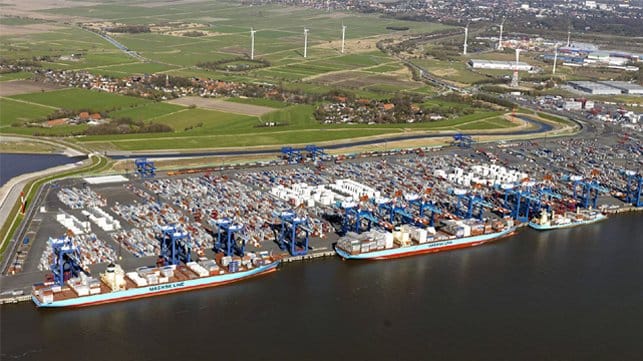
The contentious negotiations for a new contract for up to 11,000 port workers at Germany’s main seaports have again broken down, with the union, ver.di, reporting it has begun a vote and will seek authorization for an indefinite strike. A representative group polled at the beginning of the week rejected the fourth round proposals from the ZDS, the Central Association of German Seaport Operators.
Contract negotiations began in late July with the union demanding an 8.2 percent increase in hourly wages in a 12-month contract. The employers started with a proposed 5.3 percent increase in two stages, plus a one-off payment. The sides reportedly remain far apart, with ZDS offering two new options last week, one for a 3.4 percent increase over 12 months retroactive to August 1 and including a container allowance and more vacation pay. A second option of 5.1 percent plus the allowances and vacation pay for 18-months was immediately rejected by the union and not presented to the members for a vote.
The talks cover the workers at Hamburg, Bremen/Bremerhaven, Emden, Brake, and Wilhelmshaven. The members have been without a contract since July 31.
ZDS asserts that both of its models were viable options and represented the “top end compared to others in the industry.” It says it deliberately presented two options based on the “impressions and expectations of the employees regarding the duration and structure of a wage agreement.”
Ver.di reports that nearly 65 percent of a representative group of over 5,500 employees were surveyed and rejected the 12-month proposal. The union repeated its demands for higher wages on a shorter contract duration. It points to the increasing risks in the workplace, saying that security issues are growing in addition to the economic challenges for members. It highlights the increased number of drone flights over the port facilities, saying that it is “creating additional risks in a work environment already characterized by heavy loads, hazardous materials, and complex technology.”
The union opened a vote running until October 1 for the full membership. Ver.di says if at least 75 percent reject the offer and authorize an indefinite strike, it will decide on the failure of the negotiations and initiate the strike.

that matters most
Get the latest maritime news delivered to your inbox daily.
Ver.di members have already staged “warning strikes,” including a 24-hour strike starting on August 17 after the second round of negotiations. When ZDS delayed scheduling a third round, Ver.di members staged another 24-hour strike on August 24-25, demanding further negotiations and new offers.
A strike has the potential to disrupt all of Germany’s large seaports at a time when the operations are already under pressure. Delays have been building, with operators warning of the impact of congestion. The delays were further compounded when Dutch port workers struck at the Port of Rotterdam on September 4, protesting reforms in the Netherlands’ social welfare programs.
