


Russia Launches Oniks Cruise Missile from Disputed Kuril Islands
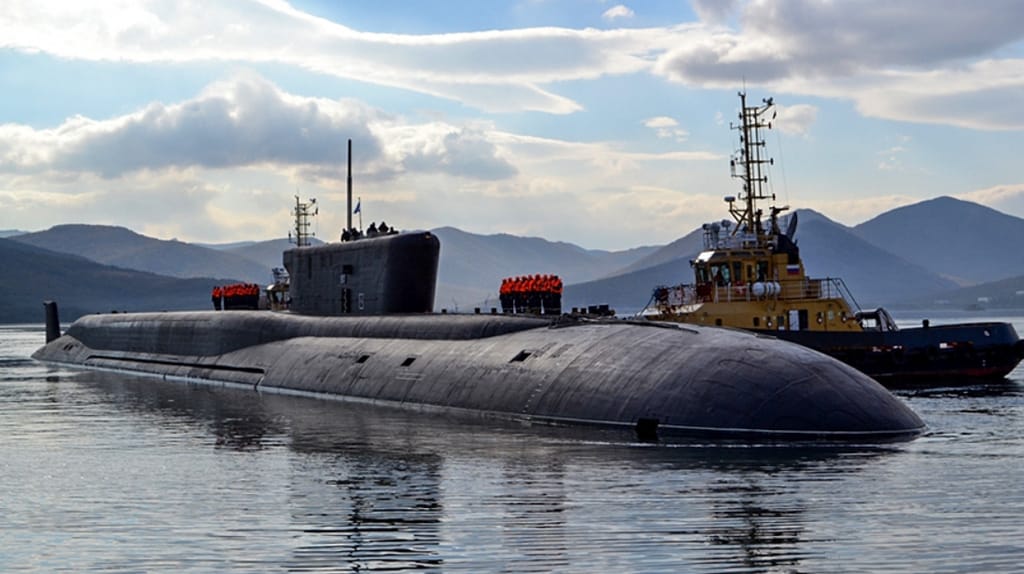
Russia’s Pacific Fleet has followed up the provocative visit by President Putin on August 13 to one of the Kuril Islands (disputed with Japan) by conducting a series of missile launches in adjacent sea areas. President Putin has used the visit, along with the subsequent missile exercises, as part of his patriotic-nationalist appeal to the Russian electorate ahead of forthcoming Duma elections, and also took the opportunity to threaten the United Kingdom, among others, for supplying defensive weapons and counter-attack capability to Ukraine.
The Russian Navy issued a Notice to Mariners covering the impact area in advance of the launches. A P800 Oniks missile was fired from Bastion coastal defense missile battery based on the Russian-occupied island of Iturúp, known as Etorofu in Japan, hitting a target 160 nautical away. This is believed to have been the first live-firing by the Bastion unit based on Etorofu since it was first stationed there in 2016.
The Pacific Fleet also engaged targets with two missiles fired from the Slava class missile cruiser RFS Varyag (D11), confirmed to have been P-1000 Vulkan (SS-N-12 Sandbox) anti-ship missiles fired from two of the 16 missile tubes with which the Varyag is equipped. The P-1000 Vulkan has a range of 375 nautical miles, and can carry either a 1,000-kilo high-explosive warhead or a 350-kiloton nuclear payload.
TASS also announced that a Granit anti-ship cruise missile had been fired from the nuclear-powered Oscar Class submarine RFS Omsk (K186). The P-700 Granit SS-N-19 (code-named Shipwreck), is a heavy anti-ship missile fired from a torpedo tube, with a range of 300 nautical miles. The Borei Class (Project 955) ballistic missile submarine RFS Vladimir Monomakh (K-551) and an unidentified Kilo-class submarine were earlier also pictured in the exercise area.
The waters around the Kuril Islands, and in particular the La Perouse Strait, are of strategic importance to Russia because they are a choke point on the route between Vladivostok to the West and the Rybachiy and Vilyuchinsk submarine bases in Avacha Bay on the Kamchatka Peninsula, as well as the open waters of the North Pacific adjacent to Alaska.

that matters most
Get the latest maritime news delivered to your inbox daily.
The missile launches are believed to have taken place on August 20, and Japan had lodged objections beforehand. The Japanese Foreign Minister Toshimitsu Motegi condemned the missile tests. The Japanese Prime Minister Sanae Takaichi had previously described President Putin’s visit to Etorofu as “absolutely unacceptable,” hardening “anti-Russian sentiment within Japan and making the medium- to long-term recovery of relations more difficult.”
Hitherto, both Russia and Japan have avoided any provocative actions in the area while negotiations proceeded on the future status of the Kuril Islands, with Japan compromising by seeking only the recovery of the southern two of the four islands. The Kuril Island dispute, if resolved, could also lead to a formal peace treaty between Russia and Japan, which the Second World War ended without.
