


Report: Russia Faces Logistical Nightmare in Redirecting Yamal LNG to Asia
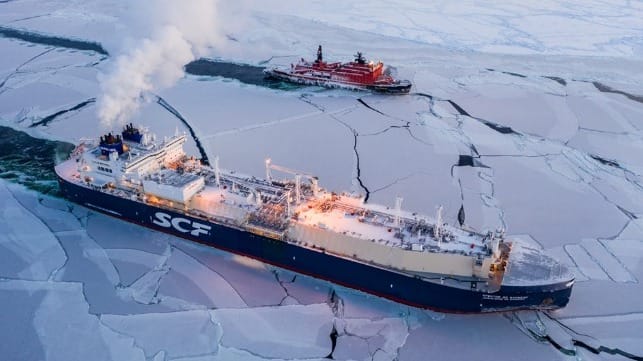
With Russia’s Yamal LNG exports rebounding amidst the war in the Middle East, new research reveals that a logistics challenge is likely to impact the project as early as 2027. While most of the Yamal shipments are currently heading to ports in Europe, Moscow has announced a pivot to the Asian market. In January, the European Union also approved a ban of Russian LNG imports to the bloc from January 2027. These shifts will add pressure to Russia’s existing transport fleet for Yamal LNG, according to Norway’s Center for High North Logistics (CHNL) - unless energy shortages from the ongoing Arabian Gulf conflict force Europe to change course.
The operational Russian LNG fleet includes 14 Arc7, 6 Arc4 and 5 non-ice-class LNG carriers. The researchers calculated the capability of the fleet to serve the Asian market when redirecting of shipments begins from 2027. Notably, the estimates do not account for maintenance, weather delays, port congestion and structuring transshipment cycles.
“If all flows are redirected to Asia, the fleet will be able to complete approximately 120-130 voyages per year. This is more than two times lower than the export volumes of 2024-2025,” projected CHNL.
The reduction is explained in part by the longer distances to Asia. In addition, Yamal LNG depends highly on Arc4 and non-ice-class vessels for transshipment operations, significantly limiting navigation options in the winter months. Again, shorter European routes ensure higher turnover for the relatively small transport fleet.
For Yamal LNG to retain its market edge, CHNL said that the project’s logistics scheme will require adjustments. This includes expansion of the ice-class tonnage, which Russia is struggling to build due to massive sanctions on its shipbuilding sector. Since 2023, Russia has only managed to complete two Arc7 vessels, which are part of the five partially built hulls originally supplied by South Korea.
Other options to resolve the impending logistical bottleneck include increasing transshipment capacity for a long voyage around Europe to reach Asia. Data from Eikland Energy shows that Russian gas producer Novatek would need to charter 25-35 additional tankers from 2027 to effectively redirect LNG to Asia using the Suez Canal or Cape of Good Hope route during the winter season. This would help Yamal LNG maintain its current export levels of 18 million tons per year.

that matters most
Get the latest maritime news delivered to your inbox daily.
Europe remains the largest customer of Yamal LNG, with France and Belgium being the primary destination. Out of 270 shipments from the port of Sabetta in 2025, 88 were destined to France, followed by 57 to Belgium and another 50 to China. The three countries together absorbed more than two-thirds of the total annual shipments.
This dynamic has changed with the ongoing war in the Middle East. In February, 100% of all Yamal LNG exports went to Europe, according to data by the campaign group Urgewald. All 21 shipments made in February, equivalent to 1.5 million tons of LNG, were destined to EU ports. Zero shipments went to China or Asia, down from four cargoes during the same period last year.
