
California Sues DOI Calling Offshore Wind Cancellation “Blatantly Unlawful"
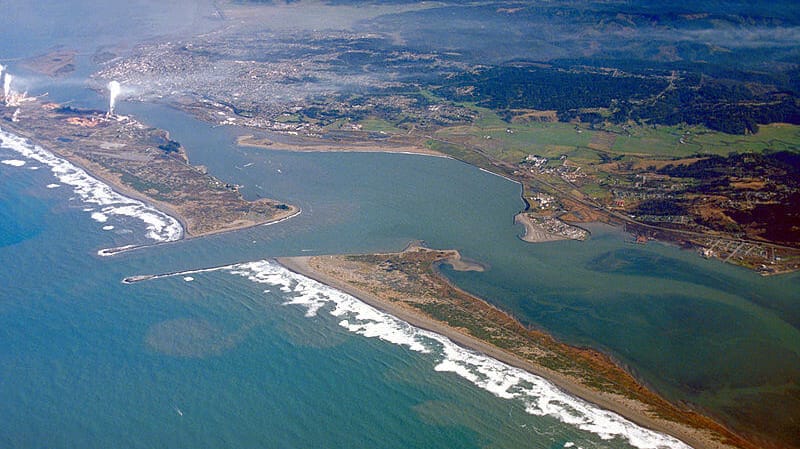
California Attorney General Rob Bonta and the California Energy Commission moved forward with their earlier challenges and filed a lawsuit on August 28 against the Trump administration and Golden State Wind over what it is calling “the unlawful buyout” of the offshore wind energy lease. The state is contending the deal to buy back the offshore wind lease is illegal and would jeopardize its investments to support the project, the state’s energy policy, and the commitments from the developer for workforce training, the supply chain, and investments in the local communities.
The California Energy Commission in May served an administrative investigative subpoena to Golden State Wind seeking documents and information related to the buyout. The California Department of Justice and CEC followed up in June by sending a Notice of Intent to Sue targeting what it terms an “unlawful agreement between the Department of the Interior and Golden State Wind.” It is asserting that the deal is “blatantly unlawful” and is asking the courts to strike it down.
“The Trump administration’s backroom buyout with Golden State Wind to stop offshore wind development in favor of gas and oil drilling is, unfortunately, a classic playbook for them to line the pockets of their Big Oil donors,” said Attorney General Bonta, announcing the filing of the lawsuit.
Golden State Wind, which is a joint venture of Ocean Winds (a 50/50 joint venture of EDP Renewables and ENGIE) and Reventus Power, paid $120 million in a 2022 lease auction for the Morro Bay Energy Area off the Central California coast. The plan called for a floating offshore wind project that, when fully developed, was expected to generate up to 2 gigawatts (GW). The company also provided commitments of more than $30 million for workforce training, supply chain development, and benefits to local communities like fishermen’s associations.
California contends that since the federal offshore wind planning began off California’s coast, the state has invested more than $100 million to ready California’s ports, transmission systems, and industries to support offshore wind generation. It points out that the state issued voter-approved climate bonds as part of its investment. Further, it says the project is part of the state’s offshore wind strategic plan that calls for the development of 25 GW of offshore power generation by 2045.
The Department of the Interior announced in April that it had struck a deal to terminate the lease as part of a move it said to settle litigation by Golden State Wind. It said that Golden State had agreed to voluntarily end its offshore wind lease located in the Morro Bay Wind Energy Area, and would be eligible to recover approximately $120 million in lease fees after an investment of an equal amount had been made in the development of U.S. oil and gas assets, energy infrastructure, and/or LNG projects along the Gulf Coast.
In the lawsuit, California argues that the Trump administration’s deal violated numerous federal laws, including the Outer Continental Shelf Lands Act, which limits DOI’s ability to cancel offshore wind leases. California also argues that the deal violates the Judgment Fund Act because the $120 million payment was not a settlement to resolve an existing lawsuit. Instead, it contends it was a fabricated arrangement designed to justify the unlawful cancellation of the Golden State Wind lease. It also points out that the investments are redirected away from California to other areas of the country.
California asserts that Golden State Wind never brought litigation against DOI challenging an action that it says DOI never took. Further, it highlights the Trump administration’s reference to unspecified national security concerns and responds by highlighting years of analysis and consultation that led to the approval of the lease area by the federal government and the Department of Defense.

that matters most
Get the latest maritime news delivered to your inbox daily.
The agreement with Golden State Wind was one of several the Department of the Interior has announced in the past few months. That same day, it also announced an agreement with a BlackRock-led project, Bluepoint Wind, for an offshore wind farm in the New York Bight. It also struck a deal with TotalEnergies and, more recently, a deal with Invenergy to terminate its four offshore wind leases located in the New York Bight, Central Coast of California, and the Gulf of Maine.
A coalition of states led by New York and Massachusetts filed suit challenging the deal with TotalEnergies, highlighting many of the same issues as California. In addition, the authorities in California are also investigating the agreement that canceled a second offshore wind lease in the state. The administration started the buyback strategy after it lost other challenges in the courts, including an attempt to stop work on five offshore wind projects that were under construction along the U.S. East Coast.
