


Houthis Escalate Attacks and Strike Lower Red Sea Ports
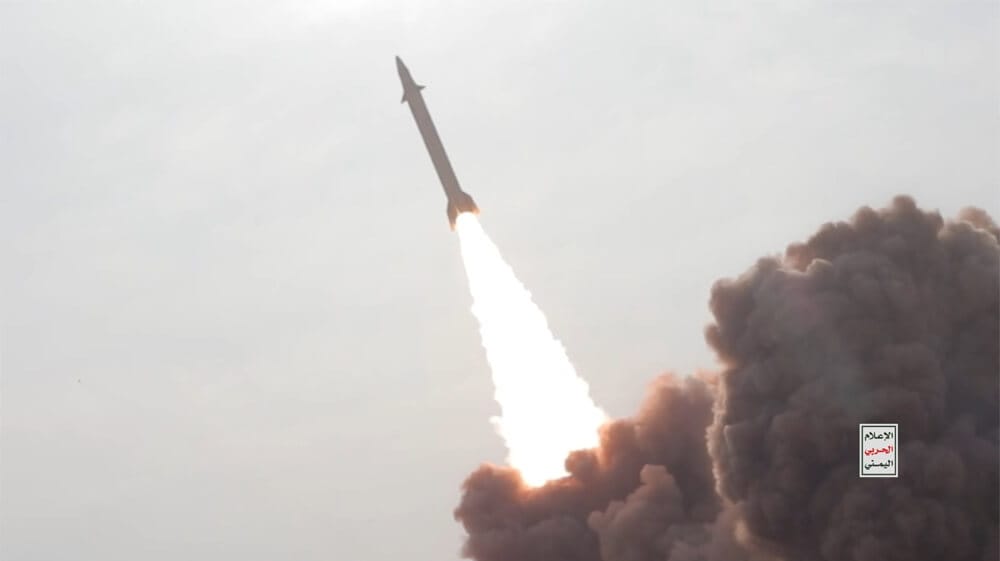
For several months, the Houthi have been preparing the population of the areas they control in north Yemen for renewed conflict with Saudi Arabia.
The Houthi leadership has unconvincingly attempted to pin the blame for this escalation on the Saudis, but the reality on the ground is that the Saudis have not initiated offensive action, and indeed have been remarkably restrained in the face of provocations from the Houthis. The increasingly bellicose rhetoric from Houthi leader AbdulMalik Al Houthi over the last two months has made reference to Iran’s struggles and to the plight of Gaza, but his verbal firepower has been reserved primarily for Saudi Arabia - from whom the Houthis are seeking greater concessions in negotiations which have been dragging on for some time to bring about a final settlement to the Yemeni civil war, which began in 2014.
Negotiations under Omani mediation have been going on since 2022, but have now reached an impasse. The Houthi escalation is designed to extract a $14 billion financial subsidy from the Saudis, an end to the UN-enforced blockade of Houthi areas of Yemen, and to force the Internationally Recognized Government (IRG) of Yemen to share oil revenues from oilfields in Yemen, which the IRG retains control of.
If the Houthis think they can force the Saudis and the IRG to offer concessions, then they are likely to be mistaken. The Saudis cannot afford to face a threat from Yemen now that the Strait of Hormuz is closed, and the IRG has grown in confidence now that the separatist threat from the Southern Transition Council has been neutralized. Both the Saudis and the IRG are confident they can handle the Houthis, and to make sure, the Saudis have initiated a maritime coalition to keep the Red Sea open, and formed a military alliance with Pakistan and Turkey to come to their aid.
Nonetheless, the Houthis are not yet deterred from their escalatory course of action.
Attacks which have resumed against shipping in the Red Sea have continued. In the last week, the Dominica-flagged products tanker Daisy (IMO 9516545) transiting the MSTC westwards in the Gulf of Aden on August 5 spotted an explosion close by, but continued on to Djibouti. The Houthis claimed to have fired ballistic missiles at the Saudi Arabia-flagged tanker NCC Wafa (IMO 9688348) off Yanbu on August 8, with unknown results. The oil refinery at Jizan was attacked again on August 9.
But the Houthi attacks have also spread to targets on land, where they have initiated offensives on four fronts: in Sadah and Al Jawf in the north along the border with Saudi Arabia, in the Marib oil field area, on the fragile front line around Taiz, and lastly – of most significance to mariners – along the coastline south of Hodeida which is controlled by the IRG and garrisoned by National Resistance Forces led by General Tariq Saleh.
As part of the attacks on the coastal strip south of Hodeida, the port city of Mocha was the subject of a sustained drone attack on August 8 which caused considerable damage to the civilian port structure. Further north, the fishing and trader boat port of Khawkhah was attacked. The Houthis have also attempted to advance from positions they hold in the mountains to the east of the coastal strip held by the IRG.

that matters most
Get the latest maritime news delivered to your inbox daily.
When breaches of the ceasefire have occurred since March 2022, they have tended to be short-lived and confined to one sector. But there now appears to fighting on all four major frontline areas, with the IRG counter-attacking vigorously. It appears that the Houthis want to bring the four-year-old ceasefire to an end, and having been prodded and provoked, the forces of the IRG are now responding in kind.
In such circumstances, the Houthis are likely to abandon the Saudi-only caveat that theoretically applied to their attacks on shipping in the Red Sea and Gulf of Aden, and the threat is now likely to become more general in character. However, traffic on the Bab el-Mandeb Maritime Security Transit Corridor on August 9 appeared if anything to be heavier than last week.
The opinions expressed herein are the author's and not necessarily those of The Maritime Executive.
