


White House's Hormuz Traffic Claims Diverge From Independent Counts
As the U.S. advances a message of economic pressure and operational control in the Strait of Hormuz, the gap between the administration's claims for American-aligned tanker traffic and analysts' assessments is widening.
15-20 tankers per night are using a "stealth" American-defended traffic lane on the south side of the waterway, two American officials told Axios' Barak Ravid, a reporter with close relationships in the White House. This traffic now moves roughly 10 million barrels of oil daily, the officials claimed. The claim includes both inbound and outbound transits, Ravid later clarified.
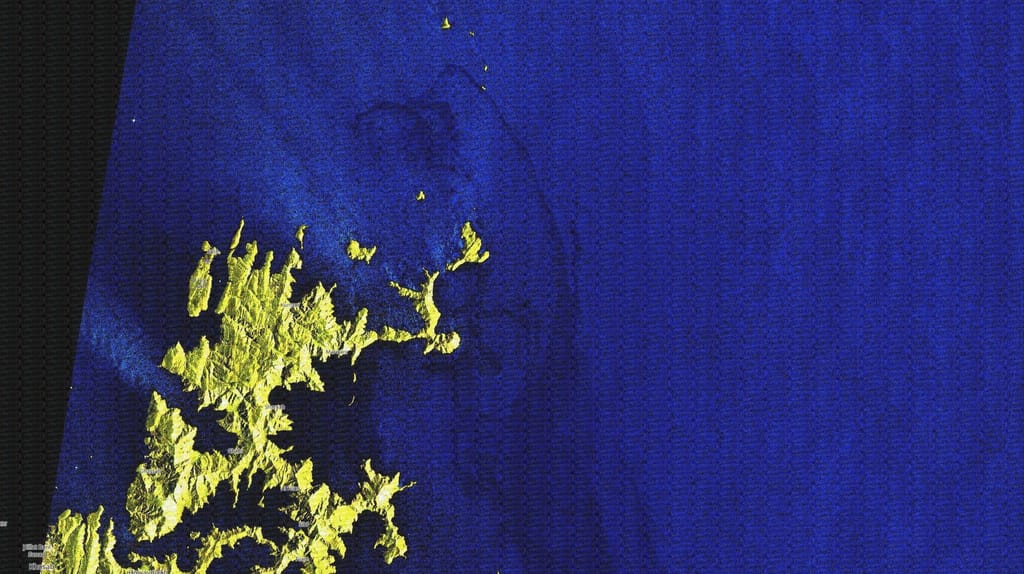
Independent assessments put the traffic volume at a far lower level. Kpler assesses three to 12 crossings daily for the last several days, including tankers, bulkers, boxships, and traffic through the Iranian-controlled lane on the north side of the strait - not just oil through the Omani side. The consultancy's methodology includes SAR satellite radar imaging, making its counting independent of AIS transmissions, which can be easily manipulated. (Satellite SAR imaging can also be effectively jammed, with enough technical sophistication, but there is no evidence to suggest that the U.S.-administered corridor has been obscured by this method.)
If the administration's figures are accurate, and Gulf producers are successfully moving 10 million barrels out of Hormuz each night, it represents a major operational success for U.S. forces, commented Israeli Defense Intelligence veteran Danny Citrinowicz. However, he added a caveat: any success in defeating Iran's control campaign will raise the stakes in the six-month standoff.

that matters most
Get the latest maritime news delivered to your inbox daily.
"Iran is unlikely to accept a situation in which it cannot export oil while other Gulf producers continue to do so. Paradoxically, therefore, America’s relative operational success could become a driver of further Iranian escalation," Citrinowicz said. "Without a return to a negotiated framework, it will be increasingly difficult to prevent that escalation."
Further, even vessels that Iran might be expected to allow past the blockade have recently shown reticence to make the transit. On the 19th, two large Chinese-owned tankers began to make the passage - one through the Omani lane, the other through the middle of the strait - and then made u-turns to head back the other way, according to Windward. The reversal suggests that the Iranian threat remains active in Hormuz, and that it extends beyond Western shipping interests to touch some of Iran's biggest allies.
