


MSC Foundation Backs Landmark Global Coral Reef Ecosystems Assessment
MSC Foundation Backs Landmark Global Coral Reef Ecosystems Assessment, Linking Science to a Critical Window for Conservation Action
10/22/2026
As principal funder of the new assessment, MSC Foundation advances global scientific understanding of the status of coral reef ecosystems under the IUCN Red List of Ecosystems.
GENEVA - October 22, 2026 - The MSC Foundation supports a landmark global assessment, which finds that 96% of the world's shallow-water coral reef ecosystems are Critically Endangered and that nearly every assessed shallow-water coral reef ecosystem on the planet faces an extremely high risk of collapse by 2075.
Released today by the International Union for Conservation of Nature (IUCN) at the UN biodiversity conference (COP17) in Yerevan, Armenia, this first global coral reef assessment under the IUCN Red List of Ecosystems draws on decades of observations and climate data, bringing together more than 250 scientists and specialists and covering reefs in more than 80 countries and territories.
While coral reefs are already suffering significant damage, the assessment warns that the greatest threats lie ahead, making action now critical to preventing further losses and giving reefs a better chance to recover. Reducing anthropogenic pressures on coral reefs through pollution control, sustainable fisheries management, and the expansion of marine protected areas is essential to enhancing reef resilience and supporting ecosystem recovery in the face of marine heatwaves.
Coral reefs sustain marine biodiversity, help protect coastlines from storms and erosion, and support fisheries and coastal tourism. Their decline puts coastal communities and the economies that depend on healthy seas at risk.
Dr Grethel Aguilar, IUCN Director General, said, "Coral reefs are one of the clearest indicators of the ocean's health. They provide food, shelter and breeding grounds for countless species, protect coastal communities, and sustain vital sectors such as fisheries, aquaculture and coastal tourism. Reefs are under pressure today, but with the right action, they can recover and thrive. Tackling climate change and halting further ocean warming will give them that chance. Partnerships such as our collaboration with the MSC Foundation show how strategic investment and shared commitment can secure a future for coral reefs, while supporting the well-being and prosperity of the coastal communities that depend on them."
From global science to conservation in The Bahamas
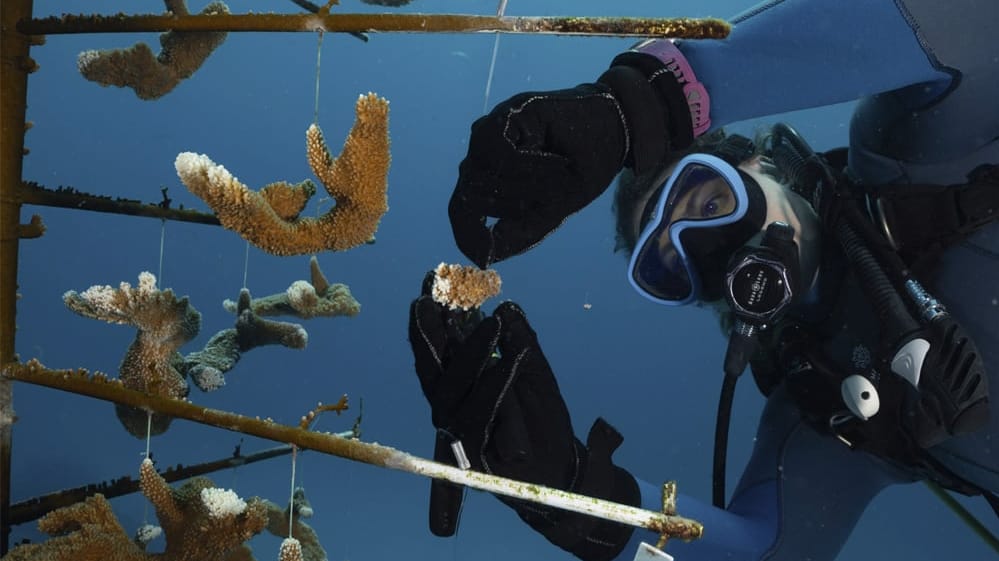
The MSC Foundation, the philanthropic arm of the MSC Group, supports global conservation science through grantmaking while implementing its own marine conservation program in The Bahamas. At Ocean Cay, its Super Coral Reefs Program brings together Bahamian and international scientific partners to research heat-tolerant corals, grow corals in underwater nurseries and assess the effectiveness of restoration efforts in promoting reef ecosystem recovery and resilience. The program has successfully identified and grown critically endangered Acropora palmata (elkhorn coral), fast-growing reef builders that provide vital shelter and nursery habitats for marine life.
Speaking from the UN conference, Daniela Picco, Executive Director of the MSC Foundation, said: "We invest in global coral reef science because understanding the scale of the threats is essential to protecting these ecosystems. At Ocean Cay in The Bahamas, we are putting scientific research into practice - working with partners to study resilient corals, advance restoration techniques and engage cruise guests and future marine scientists. By connecting global science with practical action, we can help give coral reefs a fighting chance for the future."
Opened in April 2025, the Foundation's Marine Conservation Center provides facilities for coral research and propagation as well as education. It supports opportunities for Bahamian students and researchers to build marine science expertise and introduces cruise guests and other visitors to the importance of protecting reef ecosystems.
As the latest marine heatwave puts further pressure on coral reefs, the Foundation is closely monitoring its nursery-grown corals and taking protective measures against heat stress, with encouraging signs of resilience observed so far. It is also increasing its investment in research facilities, specialist expertise, innovative restoration methods and scientific partnerships.
The products and services herein described in this press release are not endorsed by The Maritime Executive.
