


India Bans its Seafarers from Strait of Hormuz Transits
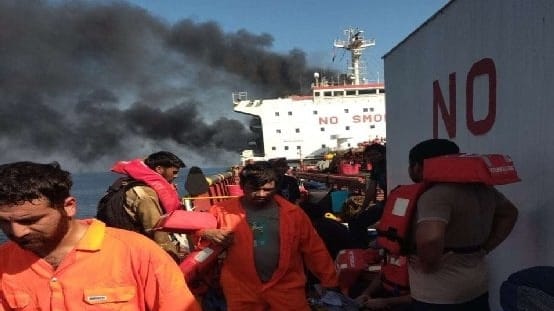
Prompted by the recent attacks on two ships transiting the Strait of Hormuz, which took place on July 14, in which an engineer was killed and nine were injured – three critically - India’s Directorate General of Shipping has directed ship owners, ship managers, and recruitment agencies to avoid deploying Indian seafarers until further notice on vessels transiting the Strait of Hormuz.
India’s Directorate General of Maritime Administration Mumbai, issued the orders following the attack on two VLCCs managed by ADNOC Logistics and Services, the Mombasa B (IMO 9739501) and the VLCC Al Bahyah (IMO 9937799). The attacks took place on July 14 off Limah, as the ships were leaving the southern end of the Omani Coastal channel out of the Gulf. Although seriously damaged, Emirati authorities were able to evacuate a total of 45 crewmembers, 30 Indians, and 15 Ukrainians. An Indian engineer died aboard the Mombasa when its engine room was struck. The nine injured crew members, including the three critically injured, are now being treated in hospitals in Dibba, Fujairah, and Khor Fakkan.
In an earlier attack on July 11 off the northeast tip of the Musandam Peninsula, an Indian engineer aboard the Cyprus-flagged container ship GFS Galaxy (IMO 9401271) was killed. The surviving crew members were taken off by the Royal Navy of Oman, some injured, and the number of those injured and being cared for in the Khasab Hospital is rising; due to good planning and good fortune, however, the hospital has recently been reprovisioned and was reopened on a new site with 164 beds in January.
The Directorate General cited a total of five recent attacks, also highlighting MT Wedyan (IMO 9524970) and the Al Rekayyat (IMO 9397339). It said the incidents “have increased the risks faced by seafarers” operating in the area. It also instructed all masters to maintain “a heightened level of security and vigilance” by monitoring navigational warnings and security advisories.
“The Directorate considers it necessary to adopt enhanced precautionary measures to safeguard the interests of Indian seafarers,” it wrote in the advisory.
The Indian External Affairs Ministry strongly condemned the attacks and “acts of violence targeting seafarers” in a post on social media, echoing similar sentiments expressed by the Secretary-General of the IMO. The Indian authorities highlighted that, like the IMO Secretary-General Arsenio Dominguez, the safety, security, and welfare of seafarers and their ships is the highest priority. The IMO suspended its evacuation efforts, citing these dangers.
Given the preponderance of Indian nationals among ship crews, if enforced, the ban will have major implications for the running of ships through the area. However, it is not clear how the Indian Directorate General of Shipping will enforce its ban, particularly as some Indian crew members will be marooned aboard ships that are already or still trapped within the Gulf.

that matters most
Get the latest maritime news delivered to your inbox daily.
The All India Seafarer & General Workers Union had been vocal in its calls for the government to take action.
The IMO now lists a confirmed 57 incidents with vessels in the Persian Gulf region as of July 16 since the start of the war. It reports a total of 18 confirmed seafarer fatalities. In addition, it lists a total of 14 seafarers injured in the recent incidents cited by the Directorate General.
