


Remembering Guido Perla: Engineering Ideas Into Reality
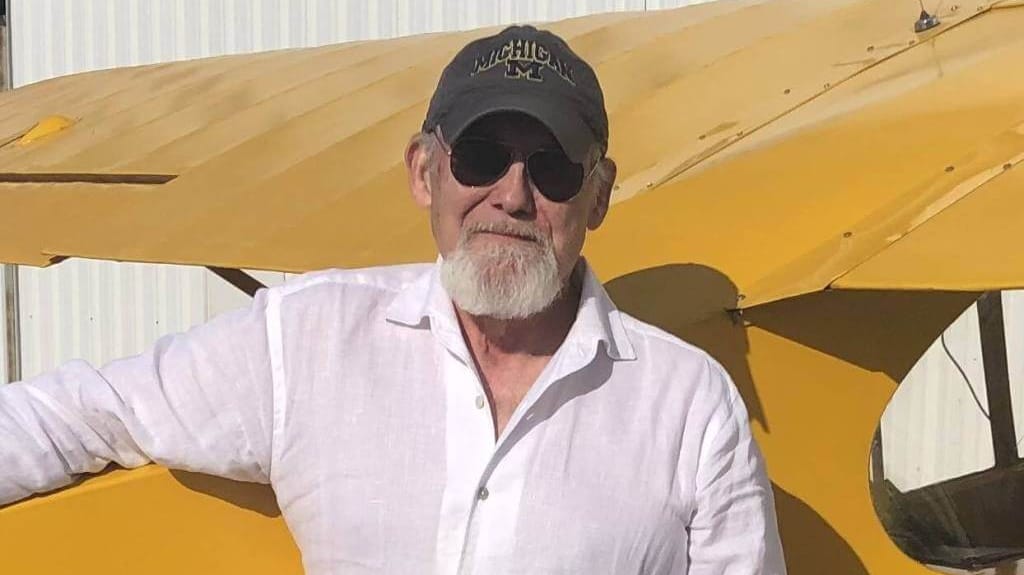
For more than five decades, Guido Perla stood among the most respected naval architects in the world. As founder and president of Guido Perla & Associates (GPA), he helped redefine commercial ship design through innovation, practical engineering, and an unwavering commitment to his clients. His influence can be seen in offshore support vessels, fishing vessels, research ships, ferries, and specialized government vessels operating around the globe.
Yet those who knew Guido understood that his greatest legacy extended far beyond the ships themselves. He believed engineering was ultimately about people — the relationships forged with clients, the opportunities created for young engineers, and the satisfaction of turning bold ideas into working vessels.
Born in Barranquilla, Colombia, Guido developed a fascination with ships while growing up along the Caribbean coast. His dream of becoming a naval architect led him to the United States in 1971 to study naval architecture and marine engineering at the University of Michigan. It was a leap of faith that would shape the rest of his life.
Throughout his career, Guido often credited his father with instilling the philosophy that guided both his engineering and his life: "It is better to be wrong than to be average."
To Guido, innovation required courage. He believed progress came from thoughtful risk-taking rather than complacency. As he explained in a 2003 interview, people learn by "making a move and taking risks," not by standing still. That mindset became a defining characteristic of every vessel and every business decision throughout his career.
After beginning his career at Jacksonville Shipyards and later designing offshore supply vessels and shrimp boats in Texas, Guido moved his young family to the Pacific Northwest in 1977, drawn by the booming commercial fishing industry. At Joseph Martinac Shipbuilding, he fulfilled a longtime ambition to design tuna seiners, which he admired for their elegance and efficiency. He described them simply as "sleek, good looking boats" — the kind of vessels he had always wanted to create.
The defining moment of his career came on December 28, 1979, when shipbuilder Peter Schmidt asked a simple question: "Do you want to be in business?" Guido answered yes, and Guido Perla & Associates was born.
Years later, Guido never forgot that opportunity: "I owe the credit to the beginning of GPA to Peter Schmidt."
That first contract launched what would become one of the world's premier independent naval architecture and marine engineering firms.
From its earliest days, GPA distinguished itself by combining conceptual design with detailed production engineering. Guido believed that investing in engineering paid dividends throughout construction. He frequently observed that every hour spent thinking through the engineering process saved multiple hours during production, because "the engineering is the thinking." That philosophy helped shipyards build vessels faster, more efficiently, and with fewer costly surprises.
Guido also became an early champion of computer-aided shipbuilding. In the early 1980s, he introduced CAD/CAM-based production methods and numerical-control steel-cutting programs to many small and medium-sized American shipyards, making advanced manufacturing techniques available to builders that previously lacked access to such technology. He considered this one of his proudest professional achievements because it strengthened the competitiveness of independent U.S. shipyards, which he believed formed the backbone of American shipbuilding.
His engineering innovations extended well beyond production methods. Under his leadership, GPA became internationally recognized for advanced offshore support vessel designs featuring diesel-electric propulsion, azimuthing Z-drives, and highly efficient hull forms. Landmark projects included Crowley's Prevention and Response tugs and the SWATH research vessel Kilo Moana, developed in partnership with Lockheed Martin for the U.S. Navy and the University of Hawaii. These vessels demonstrated Guido's willingness to embrace emerging technologies long before they became industry standards.
Despite his technical accomplishments, Guido rarely measured success by awards or high-profile projects. Instead, he spoke repeatedly about relationships.
"I approach jobs not because of business, but through relationships," he said. He chose projects because he respected the people behind them, not because they promised the greatest financial return. In another memorable analogy, he explained that designing a ship was like tailoring a custom suit: every vessel should reflect the owner who commissioned it rather than becoming a generic "stock design."
That philosophy earned Guido extraordinary loyalty from clients throughout the maritime industry. Many returned to GPA repeatedly over decades because they knew he viewed each project as a partnership rather than simply another contract.
He also lamented the gradual disappearance of the handshake agreements that had characterized much of his early career. While acknowledging the realities of modern business, he believed trust and honest dialogue remained the foundation of successful engineering relationships.
Inside GPA, Guido became known as a mentor who challenged engineers to think independently, question assumptions, and pursue practical solutions. He encouraged innovation but insisted that every new idea ultimately had to serve the shipbuilder, the operator, and the crew.
His personal motto — "Engineering Ideas into Reality" — captured the essence of his life's work. It reflected not simply technical expertise, but a belief that engineering exists to solve real problems through imagination, discipline, and collaboration.
Today, Guido Perla's legacy lives on in hundreds of vessels operating worldwide and in the generations of engineers whose careers he helped shape. His designs continue to serve fishermen, mariners, researchers, offshore energy operators, and governments across the globe.

that matters most
Get the latest maritime news delivered to your inbox daily.
More importantly, his philosophy endures: pursue excellence instead of mediocrity, embrace innovation with courage, invest in relationships, and never stop learning.
For Guido Perla, every ship told a story. Together, they tell the story of a remarkable engineer whose vision transformed modern naval architecture and whose influence will continue to sail the world's oceans for generations to come.
The opinions expressed herein are the author's and not necessarily those of The Maritime Executive.
