


Great Lakes Boaters Risk Prison or Fines Due to Hoax Distress Calls
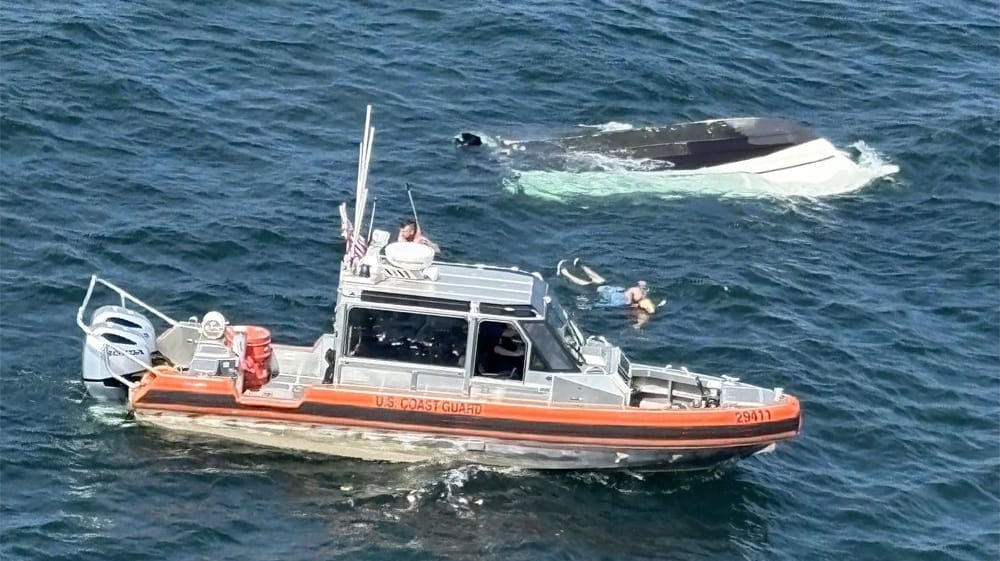
The U.S. Coast Guard is sounding the alarm over the rise of hoax distress calls that are making the agency divert rescue crews and resources to respond instead of directing them to actual emergencies.
Having received 187 false distress calls, including three confirmed hoaxes, since the beginning of the year within the Great Lakes District, the agency is now warning of possible fines and jail time for people making the calls and posting on social media.
The Coast Guard categorizes a hoax as knowingly and willfully communicating a false distress message to the agency, while a false distress alert can also result from misunderstanding, accidental transmissions, or outdated information. In both cases, the misleading information can be transmitted via radio, phone, and social media.
Owing to the unprecedented high numbers of distress calls, which are bound to increase as more people hit the water for recreational boating over the summer period, the agency is warning perpetrators risk fines and jail time.
According to the law, initiating a hoax or causing the Coast Guard to attempt to save lives and property when no help is needed is a felony punishable by up to 10 years’ imprisonment. Offenders can also face a fine of up to $13,295 and are liable for all costs the agency incurs as a result of hoax distress calls.
“Intentionally misleading emergency responders is both dangerous and illegal,” said Capt. Mark Kuperman, chief of staff, Great Lakes District. “Every false distress report creates a ripple effect across the entire emergency response community, draining valuable time and resources from the Coast Guard and agency partners, and potentially putting emergency responders at unnecessary risk.”
He added that the hoax calls are negatively impacting the Coast Guard’s operations, owing to the fact that they are reducing readiness for actual emergencies. He emphasized it can be detrimental, especially during the summer months when resources are in constant demand.
Coast Guard recreational boating statistics indicate there were more than 11.6 million registered recreational vessels in the U.S. in 2024. During the year, 3,887 incidents involved 556 deaths, 2,170 injuries, and $88 million of damage to property due to recreational boating incidents.

that matters most
Get the latest maritime news delivered to your inbox daily.
“The growing influence of social media has added further challenges to search and rescue operations,” said Roger Rice, search and rescue program manager, Great Lakes District. “Social media content suggesting distress may not include critical details, such as an accurate location, the number of people involved, or immediate hazards. Misleading photos or videos may unnecessarily trigger emergency responses and divert critical resources.”
The agency’s Great Lakes District is responsible for a 1,500-mile international border spanning eight states. The district has more than 6,000 active-duty, reserve, civilian, and auxiliary personnel who deliver multi-mission services in search and rescue, maritime safety and security, environmental protection, maritime law enforcement, aids to navigation, and icebreaking.
