


Deal to Reopen Hormuz Gets Closer, But With Little Agreement in Public
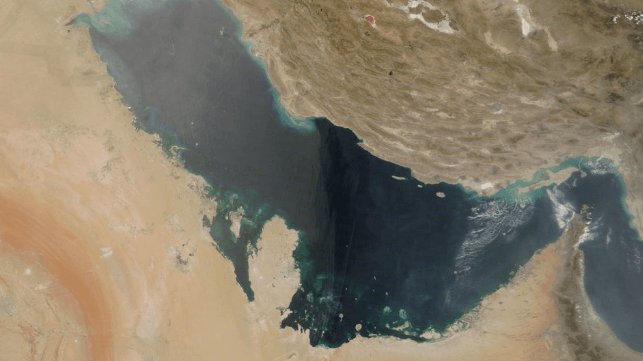
The U.S. and Iran have announced an outline of an agreement to extend their ceasefire and reopen the Strait of Hormuz. The deal has not yet been signed, and as in previous talks, officials on both sides have leaked out conflicting accounts of the details.
The contents of the deal have not been officially released, and it appears to be structured as a ceasefire extension to allow further time for negotiation, with some of the most difficult decisions deferred for further talks. While definitive confirmation is still pending, a general outline has emerged from participants' background statements. A U.S. official told the Wall Street Journal on Sunday the U.S. has agreed to provide Iran's economy with some "breathing room," but has not yet promised to release frozen Iranian funds or lift sanctions.
In exchange, the official said, Iran has accepted the idea of exporting its stockpile of enriched uranium to another country, in principle and subject to further negotiation on the details. The deal would also include a time-limited moratorium on further Iranian nuclear enrichment, in exchange for sanctions relief.
Iran denies that any commitments were made about any matter related to its nuclear program, except for its ongoing pledge to never build nuclear weapons. Iran has always maintained a public commitment not to build a nuclear bomb (though it has quietly pursued the knowledge and physical means to do so).
Al Jazeera senior correspondent Ali Hashem adds further details reflecting purported benefits to the Iranian side. From the perspective of his sources, the proposed deal looks much different: it reportedly includes a complete end to hostilities, including an end to the ongoing Israeli operation in Lebanon; the release of billions of dollars in blocked Iranian funds; the lifting of the U.S. naval blockade in the Strait of Hormuz, allowing Iran to resume oil exports; and the withdrawal of U.S. forces from the area.
In accounts published by Iranian state media, the agreement would also leave the strait under Iranian control, in cooperation with authorities in Oman - giving Iran more strategic influence over the waterway than it had at the start of the war.
U.S. officials have not confirmed any of these claims.
"The ceasefire and broader de-escalation measures appear intended for near-term implementation, while the main sources of contention were pushed into a separate 30-60 day negotiation track," commented Nicole Grajewski, Assistant Professor at CERI Sciences Po. "That structure is important because it pushes some of the hardest questions (sanctions sequencing, mechanics of Hormuz access, conditions on asset releases) into less visible side documents while still allowing both sides to announce a political breakthrough."

that matters most
Get the latest maritime news delivered to your inbox daily.
After hopeful comments from the administration on Saturday, President Donald Trump said Sunday that his team would be going slowly.
"I have informed my representatives not to rush into a deal in that time is on our side. The blockade will remain in full force and effect until an agreement is reached, certified, and signed. Both sides must take their time and get it right. There can be no mistakes!" Trump wrote.
