


Bessent: U.S. May Allow Iran to Sell Oil in Order to Increase Supply
The U.S. government may soon release additional barrels from its strategic reserves to calm oil markets amidst the closure of the Strait of Hormuz, and might even relax its "maximum pressure" sanctions on Iranian oil in order to free up more barrels on the water, Secretary of the Treasury Scott Bessent said Thursday.
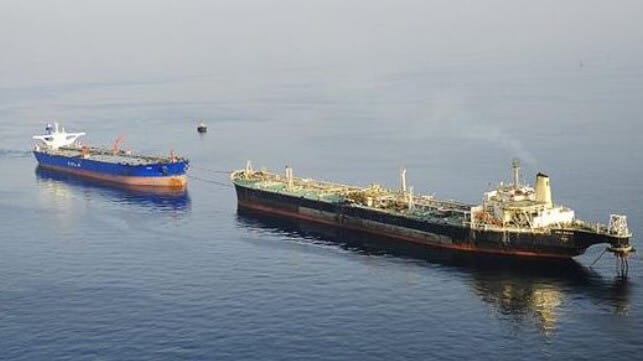
The turnaround on Iranian oil sanctions would be a reversal, and a swift one. Just three weeks ago, U.S. forces boarded and seized a shadow fleet tanker in the Indian Ocean that had been previously sanctioned for its ties to Iranian oil shipping. Now, Bessent said, Treasury is contemplating a plan to allow the sale and delivery of that same sanctioned Iranian oil on the open market, so long as it is already afloat. (A separate waiver already allows the shadow fleet to deliver previously-loaded Russian oil.)
According to Bessent, this radical turnaround would have several advantages. Currently, China has a nearly-exclusive oil buying relationship with Iran, thanks to independent Chinese refiners who are insulated from U.S. sanctions pressure. Lifting the U.S. sanctions on Iranian oil would allow other countries - Japan, Malaysia, India and others - to bid up the price of those barrels. It would remove a source of cheap oil for China, while simultaneously increasing energy availability for allied nations, he suggested.
In addition, and most importantly, the sale would help counteract the steady rise of global oil prices. There are about 140 million barrels of Iranian oil currently afloat and available for prompt delivery, Bessent said, enough to materially affect the markets for up to 14 days.
The operating area of the Iranian tanker fleet is suited for rapid delivery to Asian refiners, which are the buyers most affected by the Hormuz crisis and are setting the world pace on crude price increases. Dubai crude - a benchmark for the physical barrels sought by Asian refiners - breached the $160 per barrel price range on Thursday, setting new records. Refined product markets in the Asia-Pacific have soared in tandem, and some nations (Sri Lanka, Thailand, South Africa, Australia, among others) have begun planning to adapt to physical shortages of fuel if the crisis continues.
Letting Iran's oil get to market would help address these problems. Unless the U.S. were to seize the oil at sea prior to sale, or otherwise interdict the transfer of funds, the extra sales volume would also increase Iran's oil revenue in the middle of a conflict.

that matters most
Get the latest maritime news delivered to your inbox daily.
"Essentially we're allowing Iran to sell oil, which could then be used to fund the war effort," said David Tannenbaum of sanctions consultancy Blackstone Compliance Services, speaking to BBC. "This is bananas."
Treasury has yet to formalize the plan, and Iran's oil remains sanctioned. But whether or not it is put into action, Bessent's announcement may have contributed to a near-term calming of the oil market: Brent futures climbed as high as $119 early in the day, reflecting the Iranian attacks in the Gulf the previous night, then receded to settle at $108 after his remarks.
