


All Hands-on Deck: The Power of Maritime Collaboration in Seafarer Care
For those who have spent their working lives at sea, aging brings a set of challenges that traditional care models don’t always recognize. Unlike most other jobs, seafaring is characterized by long stretches away from home, physically demanding work, and the constant mental vigilance required to operate in unpredictable, often isolated environments.
It’s no surprise that in one study, nearly 80% of seafarers said that being away from family had left them feeling low. These experiences leave a lasting imprint that doesn’t simply fade when a seafarer comes ashore for good.
What many traditional care approaches miss is that seafarers carry with them a distinct identity, heritage, and ethos forged through shared hardship and deep reliance on others at sea. This identity shapes how they communicate, how they cope, and what they value in later life. When care settings fail to reflect this, support can feel impersonal or disconnected.
The case for maritime collaboration
No single organization, however experienced or well-resourced, can fully meet the complex and evolving needs of aging seafarers. With nearly half of UK seafarers aged between 40 and 61 in 2023, the scale of the challenge becomes increasingly clear. This isn’t just a matter of addressing physical health in later life, but also of supporting emotional well-being, social connection, and a cultural identity shaped by years at sea.
Individual charities and maritime bodies already deliver invaluable work. But the most meaningful and lasting impact occurs when these efforts are aligned. When care providers, maritime bodies, and local communities unite around a shared purpose, they can offer more holistic, joined-up support that reflects the full lived experience of seafarers.
From supporting local partnerships to opening our doors for events, this connection and community engagement are beneficial to the residents that we welcome in. Visits are a core part of this connection, with interaction from schools, visits from MPs and councillors, and working alongside brilliant partners such as the Banstead Veterans Hub, Surrey Care Association, and RNA Purley to further the care that is in place for retired seafarers and their loved ones.
In practice, this kind of collaboration may include sharing specialist knowledge, building stronger referral networks, pooling resources, or simply creating space for dialogue between organizations that may not traditionally intersect. These connections help ensure that seafarer support is both coordinated and culturally informed.
Not only does this apply to maritime partnerships, but also to individuals within the community. Collaboration can arise during shared activities like summer parties and BBQs that are planned throughout the season. At Belvedere House, we welcome individuals to our Open Gardens and seasonal fairs that open our gates to new connections.
Care that reflects a life at sea
Person-centered care takes on a deeper meaning when viewed through a maritime lens. For seafarers, individualized support must reflect not only medical or practical needs but also a lifetime shaped by the rhythms, values, and realities of life at sea.
Collaboration makes this possible by bringing together insights from across the maritime community, ensuring care is informed by genuine cultural understanding rather than assumptions. This might mean recognizing the importance of routine, independence, or shared storytelling and creating environments where these can continue to thrive.
At Belvedere House, collaboration is brought to life through experiences that reconnect residents with their shared past. Activities like the visit of sea shanty singers at Belvedere House reconnect residents with their maritime roots in tangible ways. We also incorporate regular trips into our activity schedule, including locations like the British Legion veteran hub, which provides residents with the opportunity to explore stories and places of their past, and brings them closer to their memories. Our ongoing dedication to the past presents itself in different formats, with plenty of musical additions like the Not Forgotten concert that is planned in the main lounge of the home.
Such moments help reinforce identity, encourage social connection, and support emotional well-being. By drawing on maritime partnerships in this way, care becomes more meaningful, engaging, and deeply rooted in our residents' lived experience.
A connected future for seafarers
Royal Alfred Seafarers’ Society plays a vital role as a connector across the maritime and care sectors, bringing together charities, organizations, and local communities to create coordinated, meaningful support for those who have lived and worked at sea. By fostering partnerships, sharing expertise, and championing the importance of maritime identity in care, the Society helps ensure that no seafarer is left without understanding or support in later life.
As the needs of this community continue to grow and evolve, so too must the response. Let us commit to greater collaboration so that every aging seafarer receives the compassionate, culturally informed care they deserve.

that matters most
Get the latest maritime news delivered to your inbox daily.
About the author
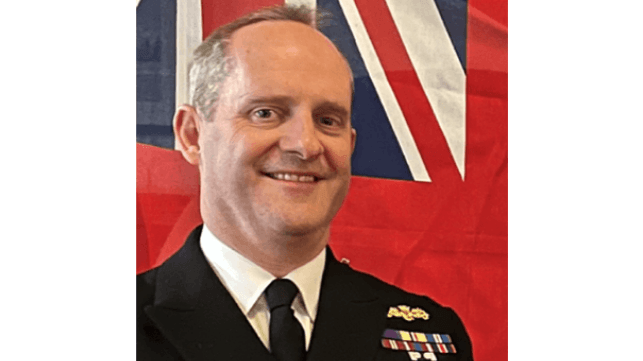
David Dominy is a retired captain from the UK Royal Navy who is now Chief Executive of the Royal Alfred Seafarers’ Society, a registered charity, established in 1865. He took up the role of Chief Executive of the society in January 2024. Prior to this, he spent 36 years leading and supporting sailors in the Royal Navy.
The opinions expressed herein are the author's and not necessarily those of The Maritime Executive.
