


UK Government Ends Royal Fleet Auxiliary Labor Dispute with Pay Increase
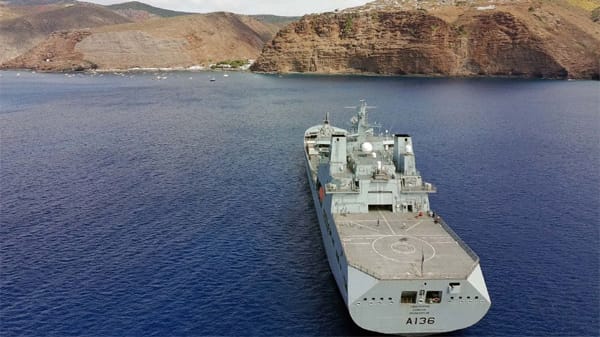
The UK government is moving to end the protracted labor disputes that have disrupted the Royal Fleet Auxiliary (RFA) in recent years, reaching an agreement with unions on a long-sought pay increase for more than 1,750 civilian ratings, officers and apprentices.
After downing their tools at least four times over the past two years, RFA personnel get a 4.5 percent pay raise backdated to April 1, 2025 and a 3.6 percent pay raise backdated to April 1 this year. The settlement represents a combined increase of 8.1 percent.
Apart from the pay increase, the agreement also comes with a basket of other improvemets, including improved leave arrangements that will allow RFA personnel earn more time off for periods spent at sea, a one-off leave buy-back arrangement, and a $332 one-off payment.
Both the National Union of Rail, Maritime and Transport Workers (RMT) and the Nautilus International union have accepted a deal that could finally end strikes that have become regular in recent months. In May this year, RFA personnel staged two 24-hour strikes while another action slated for June was called off after the government tabled the revised pay offer.
The UK Minister for Veterans and People Calvin Bailey said that by reaching a resolution, the government recognizes the contribution that RFA members make to the Royal Navy and provides a strong foundation for the future.
“The Royal Fleet Auxiliary is a vital part of the Royal Navy and contributes directly to the UK’s national security through their crucial work across the world,” he said.
Though the primary role of the agreement was to end the protracted labor disputes, it is also expected to address the crisis of staff shortages that has been hindering RFA operations. The organization is so short-handed that it has had difficulty crewing all of the service's assets.

that matters most
Get the latest maritime news delivered to your inbox daily.
Critically, the deal is expected to support recruitment and retention, helping meet future operational demands. Apart from inability to attract new recruits, the RFA has in recent times recorded significant hemorrhage of seafarers seeking the superior pay and conditions in commercial shipping.
Established in 1905, the RFA has been shrinking and currently operates a fleet of nine ships - tankers, landing ships, and aviation support vessels - with a core mission to replenish the Royal Navy at sea. Reports indicate that only six to seven of these ships are operational at any given time.
