

Russian Navy Shut Out of Sea of Azov by Wreckage of the Kerch Bridge
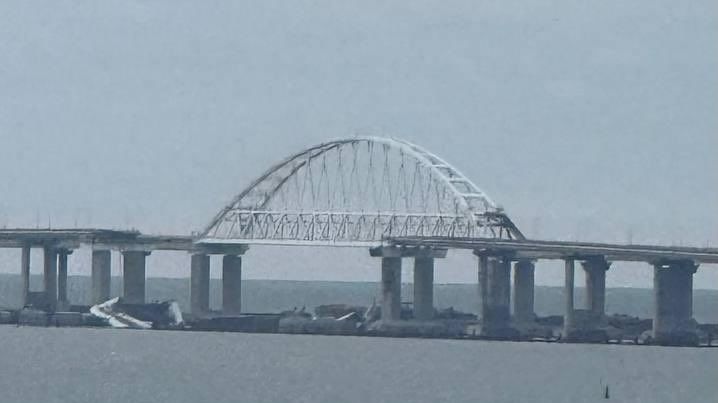
The full strategic implications of the loss of the Kerch Strait road bridge will take time to shake out, but it is already clear that the destruction of the center span will have serious effects for the Russian Navy and Russian shipping. The 6,000-tonne span fell into the only shipping channel in and out of the Sea of Azov, imposing restrictions on navigation until the debris field can be cleared - a task which will have to await the arrival of calmer weather.
In a recent interview on Ukrainian national television, Ukrainian Navy Spokesperson Dmytro Pletenchuk said that Russian shipping cannot currently pass through the strait because of the underwater wreckage. The control depth of the fairway was only 6.7 meters before the attack, and wreckage now occupies much of the water column.
While the waters immediately on either side of the navigation span are of equivalent depth or slightly deeper, the tight pier spacing of the rest of the bridge would create allision risks and impose restrictions on vessel size. Russian forces would also have to remove or modify the defensive structures that have been installed along the entire length of the bridge to prevent drone-boat attacks.
The same physical restrictions also prevent the Russian Navy from moving warships to and from the Sea of Azov.
"The number of possible options for how things could develop [for the Black Sea Fleet] has decreased, precisely because of the closure of the Kerch Strait. Previously, there was at least some alternative for safely withdrawing the fleet from the Black Sea, but now even that option is no longer available," Pletenchuk said.
He said that the fleet must now attempt to ensure its own survival with the resources it has at its disposal, like shuffling vessels between piers at Novorossiysk, the Black Sea Fleet's new - and vulnerable - home base.
According to the spokesperson, the activities of the Russian Black Sea Fleet are now effectively limited to measures aimed at ensuring its survival and security under the current circumstances. These include regularly changing the Fleet's berthing locations within the harbor, as well as implementing a range of security and defensive measures. "That is currently all they can afford to do," Pletenchuk said, as transcribed by Ukrinform.

that matters most
Get the latest maritime news delivered to your inbox daily.
He noted that bad weather will delay the wreck clearance operation, and when it does get under way, the work will be exposed to the hazards of a combat zone.
Cleanup contractors may have more than one span to address by the time that the weather clears and work gets under way. The road span is in the water, but the rail span stands. It suffered some amount of damage but took fewer hits in the strike; it is a much-discussed candidate for a follow-up attack.