


Report: CIA Warns of Russian Plans for Ship-Based Drone Strikes in the Med
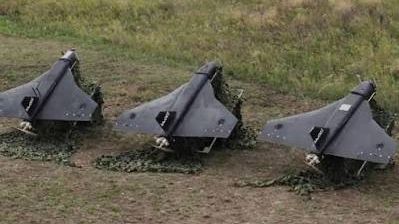
The U.S. intelligence community has quietly warned European nations that Russia may attempt an unexpected provocation: launching ship-based drones to intimidate and harass countries along the Mediterranean, a diplomat close to the matter has informed El Mundo.
"They will use drones launched from the sea, hidden in a shipping container; it's not difficult at all," a source with connections to the Lithuanian defense ministry told the Spanish outlet. The warning appears linked to CIA Director John Ratcliffe's widely-reported and unusual trip to Russia in late August; Ratcliffe arrived to speak with his Russian counterparts, and it is understood that he delivered a warning to avoid the miscalculation of an attack on NATO countries.
El Mundo's sources understand that Spain, France or Italy received a warning from American intelligence that their nations could be targeted with Russian Gerbera attack drones from the deck of a cargo ship. The Gerbera is small enough to handle easily, but large enough to reach targets far inland and deliver a small five-kilo explosive payload. Though they would not cause deep damage to infrastructure, they would send an intimidating message to the European public.
Russia has used clandestine, deniable drone tactics to create disruption and fear in Western Europe before, including suspected ship-launched drone sorties over Copenhagen's airport in September 2025.

that matters most
Get the latest maritime news delivered to your inbox daily.
Other recent incursions include the large-scale Russian drone overflight into Polish airspace in September 2025, followed by regular small-scale intrusions, most recently by a manned helicopter. Romania has experienced similar drone incursions regularly. In August, a quadcopter drone carrying a small explosive charge was discovered at the airport at Leipzig, and authorities believe that it was dispatched to damage Ukrainian military cargo planes on German soil. It was among the very few incidents that an EU government has explicitly attributed to Russia, without alluding to a more ambiguous "hybrid warfare."
Spain, southern France and Italy are comparatively soft targets for Russian drone tactics, British defense analyst Keir Giles told El Mundo - not like the NATO frontline states along the Russian border, which have already been forced to upgrade their defenses.
