
EU Defers its Plan to Fully Ban Maritime Services for Russian Oil
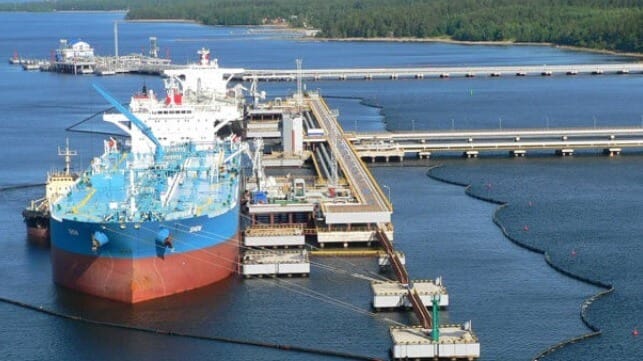
The European Union has released its 20th round of sanctions on Russia, including extensive sanctions on the Russian energy sector. Notably missing, however, was the long-discussed complete ban on shipping services for Russian oil exports - effectively left out at the request of Greece and Malta, which have shipping interests in the Russian energy trade, according to Euronews. It is a win for Moscow, allowing Russia's oil companies continued access to quality tonnage, and it follows on the Kremlin's recent success in securing an extended White House waiver to boost its oil sales.
At present, EU shipping services are allowed for Russian crude oil exports if the crude is sold below a specified price limit, per the "price cap" system adopted by the G7 following advocacy by former Treasury Secretary Janet Yellen. However, as Russia has increased its "hybrid warfare" activity in western Europe and persisted in its war in Ukraine, there have been increasing calls to fully disconnect the EU from Russia's energy sector. Sweden and Finland have led an effort to replace the "price cap" policy with a blanket ban, which would prevent Greek tanker owners from directly accessing the Russian market.

that matters most
Get the latest maritime news delivered to your inbox daily.
Greece and Malta have argued that such a ban would have no practical effect on Russia, merely shifting its oil trade even further onto "shadow fleet" tankers with opaque ownership and little oversight. EU sanctions measures require unanimous approval, so their opposition was sufficient to block the proposal; the final text includes the ban but postpones its implementation indefinitely.
Beyond shipping, the 20th round of EU sanctions includes sanctions on 46 more "shadow fleet" vessels and one insurer, plus measures to prevent second-hand resale to Russian interests and facilitate scrapping of sanctoned tonnage in an attempt to shrink the fleet. The EU also emphasized that it is delisting 11 vessels that have left the shadow fleet, a measure designed to encourage owners to abandon sanctioned trades. The EU also sanctioned Karimun Oil Terminal in Indonesia for links to the shadow fleet - the first time it has imposed Russia-related penalties on an overseas seaport.
