

Oil Shipping Soars on Russia's Northern Sea Route
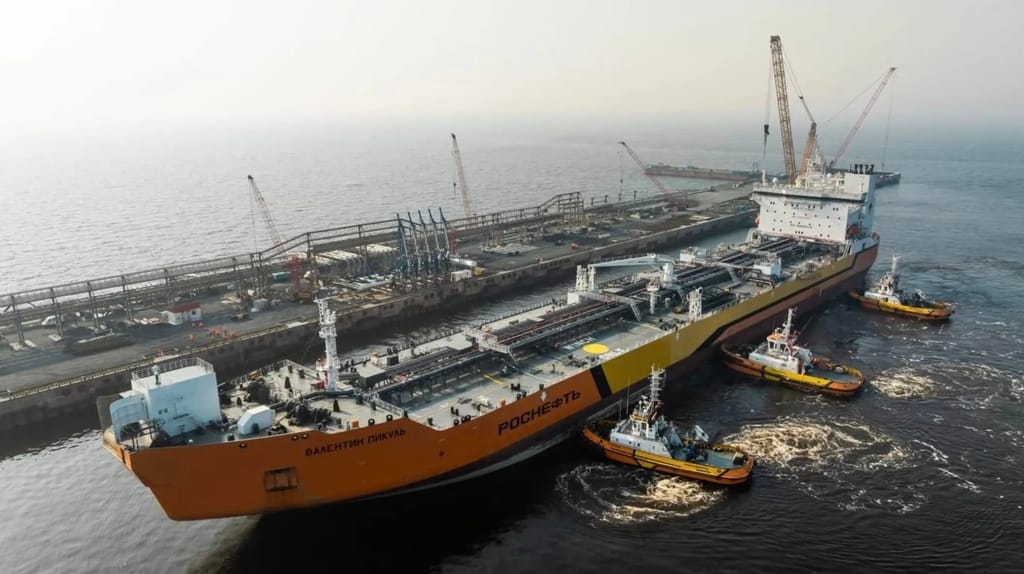
According to a new review conducted by S&P Global, Russia shipped more oil to Asia via the Northern Sea Route (NSR) during 2026 than it ever has before. The heightened traffic flows are a key policy goal for Russian President Vladimir Putin, enabled by warmer weather and a lengthening navigational season.
Exporters now have the additional motivation of avoiding friction with NATO member states, which have been periodically boarding and diverting Russia-linked tankers - even on the high seas. The Northern Sea Route is difficult to reach and well within de facto Russian control, and can be used free of risk of foreign interdiction.

that matters most
Get the latest maritime news delivered to your inbox daily.
By S&P's tally, Russia shipped 13.2 million barrels of petroleum (including crude and products) over the NSR during the 2026 season, up from 12.2 million last year. While modest by global standards - equivalent to one day of Strait of Hormuz transit volume - the upward trend shows progress towards Russia's long-term ambitions on the route.
The figure includes some of the first shipments from Vostok Oil, a long-anticipated megaproject to pipe Siberia's abundant oil to an export terminal on Sever Bay. The first tanker called at the terminal in early September. At full production, Vostok's output is expected to hit roughly 730 million barrels per year (2.0 mbpd) - a massive step change for traffic on the NSR, and a massive revenue boost for Russia. At a projected breakeven cost of $40 per barrel, Vostok should generate billions of dollars per year in extra profit for its operators and for the Russian state.