


LR: Ports Will Benefit From Early Planning for Nuclear Power Systems
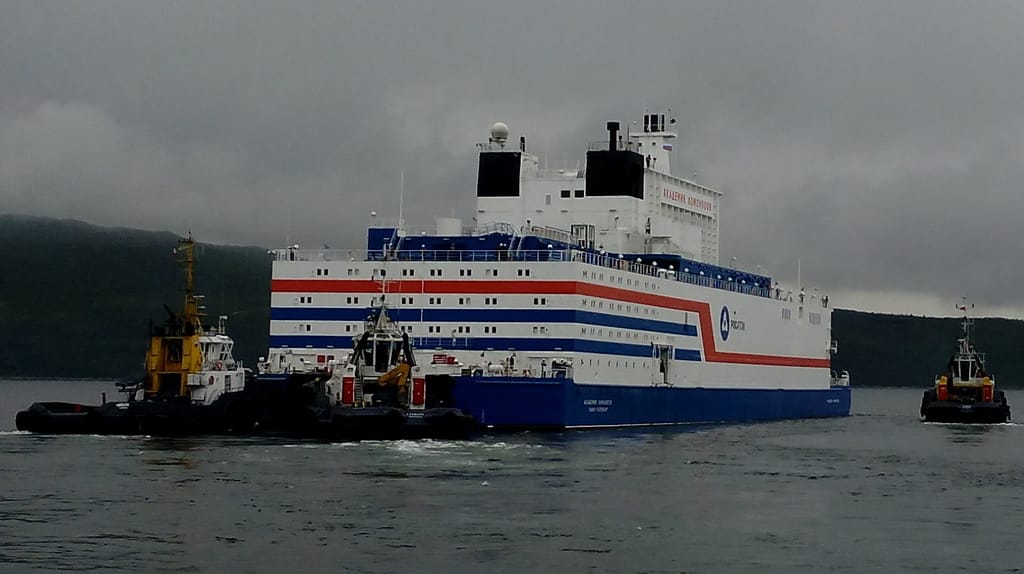
In a new white paper, Lloyd's Register and the British Ports Association (BPA) are encouraging port operators to get ready for the arrival of nuclear-powered vessels and microreactor power units, which could both accelerate port decarbonization.
Ports are increasingly reliant on wattage-hungry equipment, having invested in electrification as a way to reduce their carbon footprints. The need to feed electric cranes, battery-electric rolling stock, shore power stations and other big consumption sources can outstrip the supply available from the local electrical utility. At minimum, a big electrical draw like an electric-vessel charging point can force costly upgrades. Small-scale nuclear power, suggests LR, could supply the baseload power a port needs, on site and independent of the grid.
"Advanced nuclear has the potential to transform ports from energy consumers into resilient, low-carbon energy and industrial hubs. But realizing that opportunity will depend on more than technology alone. Ports need to further assess governance, proportionate assurance and early collaboration across the maritime and nuclear sectors," said Mark Tipping, head of offshore power-to-X at Lloyd's Register.
One single 100 MWe-sized small modular reactor could cover the power needs of a midsize port and several of its tenants, LR says. Extra benefits include power resilience during grid disruptions; process heat (waste heat) for use by nearby industries; and the economic benefits of hosting a new nuclear-power supply chain. The ports most likely to benefit from a reactor are those that need a lot of electricity, have tenants or neighbors who could use more power, and are constrained by a limited supply from the grid, LR said.
The regulatory frameworks for nuclear propulsion and modular reactors are still a limiting factor, LR assessed, and a long period of collaborative work will be needed to get the appropriate rules in place. In the interim, LR says, ports can get ready by assessing their future energy needs, their grid constraints, and their stakeholders' needs; and preparing for engagement with regulators, workers and local communities.

that matters most
Get the latest maritime news delivered to your inbox daily.
"Ports that begin proportionate planning now will be better placed to make informed investment decisions, maintain public confidence and influence the regulatory and commercial frameworks that will determine nuclear’s role in the next generation of maritime infrastructure," predicted LR and BPA.
Top image: Elena Dider / CC BY SA 4.0

