

UANI: Iran's LPG Carriers Can Get Through U.S. Navy Blockade, But Rarely
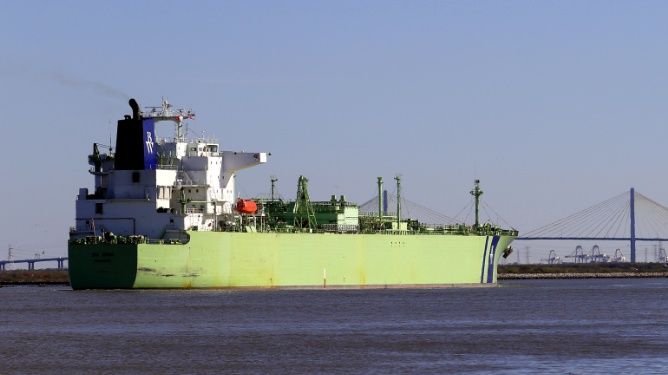
The White House maintains that its blockade of Iran's energy shipping has been 100 percent effective, and the numbers back up its claim that it has kept the overwhelming majority of Iranian tanker traffic from crossing the Gulf of Oman. But careful tracking by the advocacy group United Against a Nuclear Iran (UANI) has revealed that a small number of LPG carriers and smaller tankers have made it through the net.
"Most vessels aren't [breaking through], but since the reinstatement in mid-July, we have seen only nine small tankers being successful in their breach of the U.S. blockade and departing the Gulf of Oman laden with oil or LPG," UANI senior analyst Jemima Shelley told Fox News.
One exception that proves the rule of the blockade: the LPG carrier Sogl, sanctioned by the U.S. government since October. This ship allegedly loaded a cargo of 500,000 barrels of LPG in Assaluyeh in August, then made it out past the U.S. Navy blockade line and transited all the way to waters off Malaysia - a traditional hub for Iranian shipping activities. It then moved onwards to China to deliver its cargo, UANI said. The group confirmed the vessel's arrival by chartering a supply boat and visiting it at anchor at the Eastern Outer Port Limits Anchorage, a notorious gathering point for shadow fleet tankers.

that matters most
Get the latest maritime news delivered to your inbox daily.
No large-scale shipments of crude have gotten through the blockade, Shelley noted - partially confirming the American claims of a "100% effective" blockade line.
Some of the LPG shipments employ risky ship-to-ship transfers in the Gulf of Oman, she said - a standard process for crude oil, but a more hazardous affair for volatile propane. She added that LPG carriers may be a lower priority for U.S. interdiction for the same reason: the added risk for a cargo fire or explosion in the event of a kinetic engagement.