

Study: Jones Act Waivers Had No Effect on Military Operations
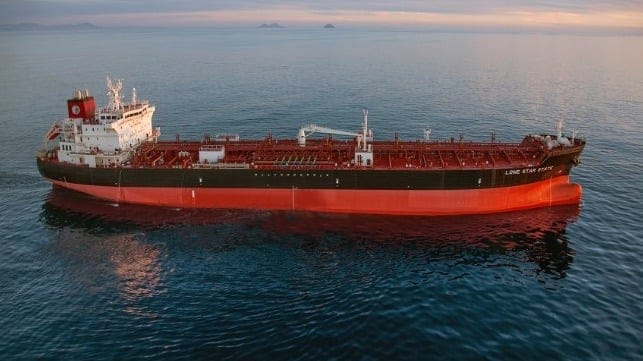
The Trump administration's controversial 150-day waiver of the Jones Act had no impact on military operations and could have been served by existing American vessels, according to a new study from the consultancy Navigistics.
78 foreign-flag voyages between U.S. ports occurred between the start of the program and June 1, the latest available date of MARAD reporting. According to Navigistics, none of these voyages carried products compatible with U.S. military requirements, suggesting that only commercial products were moved. While the voyages met the policy objective of this specific waiver program - to move commercial fuel for consumers - the legal standard for a Jones Act waiver is stricter, allowing only those foreign-flag voyages needed to address "an immediate adverse effect on military operations."
18 percent of the vessels involved were under Chinese control, and 23 percent were built in China. This might be prohibited during future waivers: If passed and enacted, the National Defense Authorization Act for FY2026 includes language to ban ships controlled by foreign entities of concern (notably Chinese government-controlled entities) from the waiver program. International tanker rates were so high that Jones Act ships were comparably priced during the period, though this inversion of cost is unlikely during ordinary market conditions.
The study notes that during the same period, about 730 million barrels of crude, diesel, jet fuel and gasoline were exported out of the United States to supply foreign consumers - far more petroleum than was transported on waivered ships. "The data show a market-allocation choice by refiners, not a national emergency requiring a Jones Act waiver," Navigistics argues.

that matters most
Get the latest maritime news delivered to your inbox daily.
"This analysis confirms what American mariners have been saying for months: this waiver is not delivering for consumers, it is not justified by military necessity, and its handing American cargo to foreign fleets at the expense of U.S. shipyards, U.S. carriers, and the American workforce we depend on for national security," said Jennifer Carpenter, President of the American Maritime Partnership, in an accompanying statement.
AMP and other advocates for the Jones Act are asking the White House to end its waiver early, before it causes lasting damage to the domestic industry. According to Navigistics, charterers are using the threat of a waiver to get concessions from Jones Act shipowners. AMP has previously warned that an extended waiver period threatens to delay or upend investment in American maritime, including future shipbuilding orders, the lifeblood of U.S. shipyards. U.S.-built vessels need protected status in order to survive in the market, as they are more expensive to build and crew than least-cost competitors from overseas; without these domestic ships, the U.S. would shed more maritime jobs, shrinking the mariner workforce and leaving the U.S. dependent upon foreign seafarers in time of war. For a sense of what that might look like, Russia has to rely on foreign tonnage to move billions of dollars worth of oil through contested waters, and is dependent on foreign crews to protect the valuable cargo from boardings and attacks.