

Pushback Against Russian Diesel Gains Traction With U.S. Energy Importers
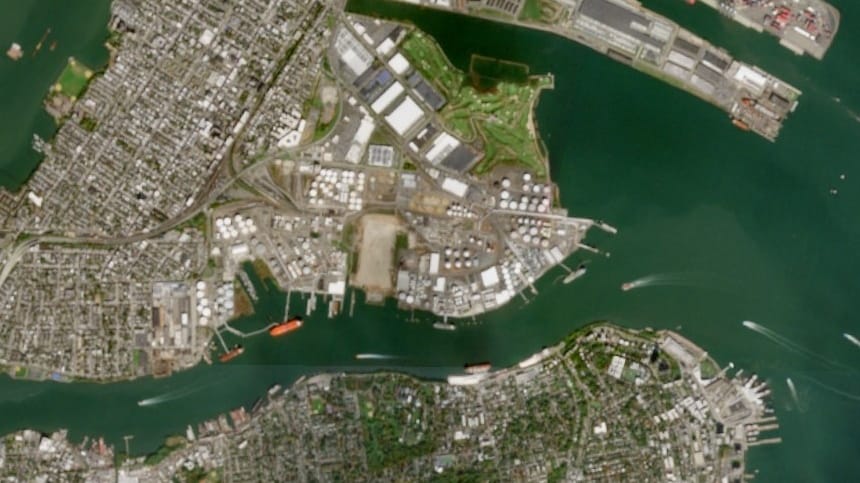
President Donald Trump's deal with Russian President Vladimir Putin on supplying extra diesel to the U.S. market has run into political opposition, and the pushback appears to be growing. The governor of New Jersey - whose state contains all of the petroleum terminals within the Port of New York & New Jersey - slammed the plan in a statement Thursday, and said that she would try to prevent any tankers involved from berthing.
"Make no mistake: Trump's diesel deal with Putin is corrupt and illegal, and I am evaluating options to stop it from arriving at a port in New Jersey," said Governor Mikie Sherrill (D) in a statement.
Seven potentially relevant tankers are under way from Russia to the United States, according to environmental NGO Greenpeace. Details on the vessels' cargoes are uncertain; TankerTrackers.com believes that at least two of them may be carrying UAN fertilizer, a non-sanctioned and fully legal agricultural cargo. The closest vessel, the product tanker Taurus, is currently off the East Coast and under way for Beaumont, arriving November 5.
Senior Democratic senators and representatives have written to ports, banks, energy companies and at least two shipowners to warn of potential legal consequences for facilitating the importation of Russian fuel.
At issue is the Ending Importation of Russian Oil Act of 2022, which banned all Russian energy products from the United States. Waiving the Act would require the consent of Congress and the president's certification that the war in Ukraine is over. Since that has not happened, the administration's critics say, Russian fuel imports are against the law - despite the U.S. Treasury's assurances to the contrary.
Those warnings are getting traction, according to consultancy Rapidan Energy.

that matters most
Get the latest maritime news delivered to your inbox daily.
"Moscow and Washington are still scrambling to find takers, but we wouldn’t be surprised if the cargoes ultimately head to Brazil," Rapidan Energy Group wrote in a recent client note, first reported by the Washington Sun. "[Potential buyers are] being very strongly encouraged by both Moscow and Washington to take these cargoes, including with steep discounts, but they’re encountering a wall of resistance based on reputation and legal risks."
The reputational risk stems from the reality that funds paid for Russian petroleum are used in part to fund Russia's ongoing war in Ukraine, which has little approval among the American public. According to a long-running Harvard CAPS/Harris Poll, about two-thirds of all voters support arms assistance to Ukraine and sanctions on Russia if the war continues. The latest Gallup polling finds that 79 percent of Americans have an "unfavorable" view of Russia.