


Kpler and Airbus Link Up with New Ship Surveillance System
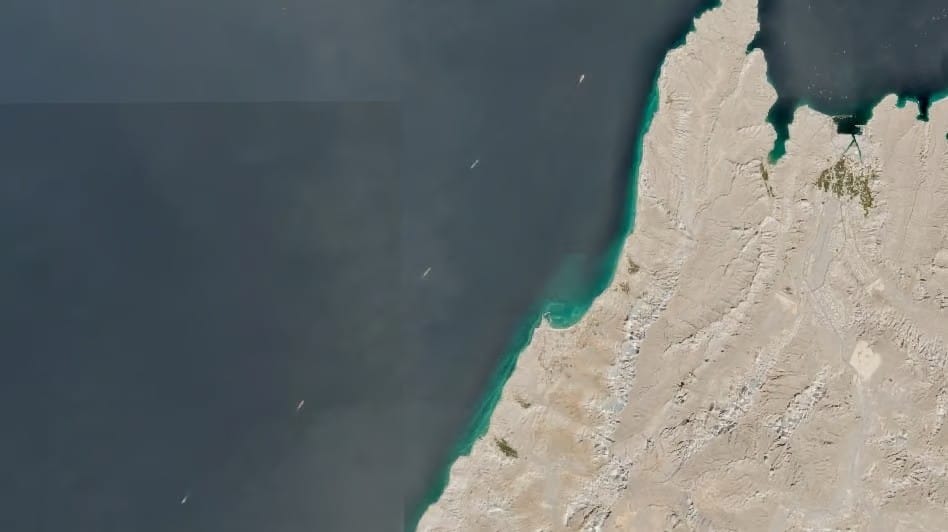
For many months now the industry has been aware of how merchant vessels are transiting the Strait of Hormuz ‘dark’, usually but not always avoiding detection and attack by Iran’s Islamic Revolutionary Guard Corps (IRGC). Publicity given to the procedures and methods employed risk further compromising the safety of merchant mariners, who are already facing risk enough from the IRGC. Estimates are that about 25 sailors have been killed by IRGC strikes on their vessels in the Strait since the war began on February 28. Five seafarers have been killed in the last 30 days in over 30 incidents, the toll paid for the steady flow of ships making the transit in both directions along the southern Omani Coastal route, notwithstanding an intensification of IRGC attacks over the period.
Ships are marshalled, protected and given course advice before navigating the Strait, but an essential part of the procedure is the guidance given to masters on how best to maintain operational security. Vessels from state-owned shipping companies making the transits will have some advantages. But all will try to hide their identity, flag, course and laden status. This has a knock-on effect, because commodity brokers and O&G traders do not necessarily get to know the volumes which are being shipped, and their ability to fix bid and offer prices is impacted accordingly.
The Omani naval control authorities also suffer, because with Channel 16 hailing disabled they too do not necessarily know what ships are making passage through the Strait. Filling the information void are maritime security and intelligence companies, who do not necessarily have access to the full picture, and whose reports are based on sometimes incomplete knowledge and unreliable, GNSS-disrupted AIS signaling. But in the absence of something better, this reporting is often taken as the best maritime intelligence picture available by both the trading community and media covering the situation.

that matters most
Get the latest maritime news delivered to your inbox daily.
To resolve this dilemma, the trading intelligence company Kpler announced on October 20 that it is teaming up with the satellite provider Airbus to develop a reliable system for tracking movements, with the Strait of Hormuz being the area where it will deliver the earliest and greatest dividend. With active systems such as AIS compromising the location of targets which the IRGC might wish to engage, a passive system using satellite imagery can detect and identify individual ship movements, particularly when analysts can use artificial intelligence-aided tools to speed the identification and tracking process. The complete picture which such a system can generate and keep up to date has considerable commercial value to traders, so Airbus and Kpler are not likely to make the correlated product a free handout – indeed, like most intelligence products, the fewer people who have access to the finished product, the more valuable it is likely to be. Nevertheless, national maritime security centers will be knocking on the door to get real-time access.
Kpler acknowledges that the International Maritime Organization mandates the use of AIS systems, and the universal adoption of AIS has produced huge benefits for maritime safety. But with actors such as the IRGC intent on ignoring UNCLOS and attacking innocent merchant shipping, a revision of the protocols on how ships identify themselves while moving on the high seas may now be necessary – unless of course the IRGC and its proxies give up sometime soon attacking merchant shipping and start respecting UNCLOS.
The opinions expressed herein are the author's and not necessarily those of The Maritime Executive.
