
Gibson: Tanker Day Rates for Hormuz Transits Remain Above $1 Million
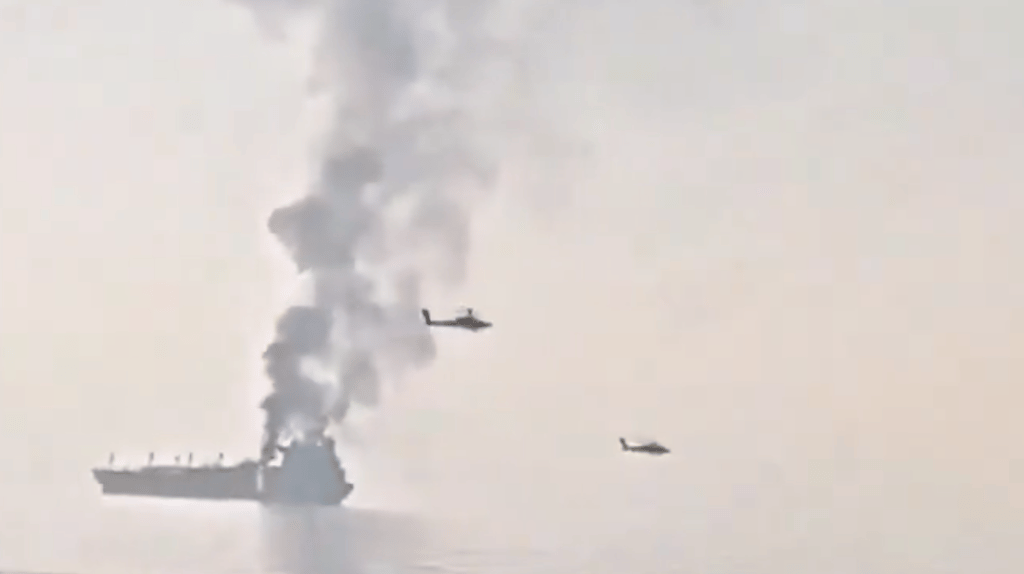
Though charter rates for crude oil tankers have begun to come off of their historic highs, the risks of the Strait of Hormuz run are still severe, and earnings opportunities for tanker owners who send their crews through the contested waterway are still exceptional. According to Gibson Shipbrokers, VLCCs that load inside the Arabian Gulf and transit out through the strait can earn more than $1 million per day for a voyage to China, triple the amount for a similar voyage loading in the safer Gulf of Oman.
The high day rates explain part of the reason why crude oil remains above $90 per barrel, since the shipping cost itself has become a substantial part of the price of delivered oil. It also explains why so many product tanker operators have switched over to the crude market. With demand for dirty tanker capacity at record levels, more than three-quarters of the world's LR2 tankers - equivalent to Aframaxes, but with coated tanks - have made the switch over to carrying oil rather than refined products, according to vessel intelligence firm Signal Ocean. The decision to switch to "dirty" cargo comes at a cost: going back in the other direction requires extensive cleaning, and there is a stepwise process to resume trade in the cleanest fuel grades. d
The IMO has advised shipowners to avoid the Strait of Hormuz outright because of the risk to seafarers from Iranian attacks on shipping. It is not the only body to make that recommendation: this week, the Swedish Club reiterated its advice to avoid transiting the waterway "unless the transit is operationally essential." The club recommends deferring passage or making alternative plans, and says that the security conditions have deteriorated further in the weeks since it first advised against making the passage. "Port accessibility, the continued movement of other vessels or a previous successful transit should not be treated as evidence that the next transit will be safe," the Swedish Club advised.
The Iranian threat now extends explicitly to salvage vessels, creating even more risk for shipping. Iran's "Persian Gulf Strait Authority" has added 26 tugboats and offshore vessels to its list of "sanctioned," targetable ships. Vessels named on the list could be subject to attack, search or seizure, and other shipowners could find themselves on the blacklist too if they hire any of the listed workboats.
that matters most
Get the latest maritime news delivered to your inbox daily.
Iran has already hit three tugs so far this year, according to the tally kept by Martin Kelly, head of Orbital Risk Intelligence. Further strikes on tugs could discourage rescue operations or increase the cost of a salvage mission.
"For a tug operator, an already high-threat operation just got worse, and any client that uses a listed tug risks being listed itself," commented Kelly in a statement.