


Brazil Investigates "Slave-Like" Conditions on Workboat Rescued off Amapa
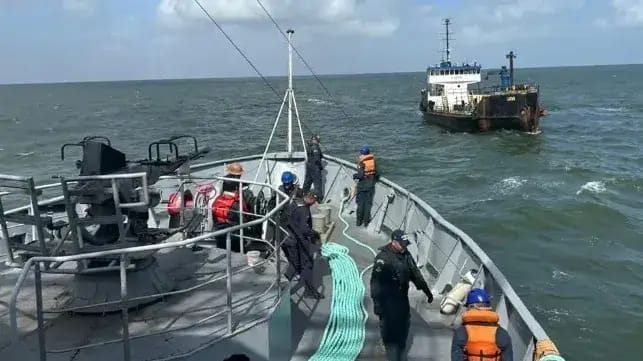
Authorities in Brazil are investigating the circumstances aboard a rusting, disabled pollution control vessel found drifting off the coast last week. The crew was almost out of food and water, and they reported "slave-like" working conditions aboard, according to the Brazilian Labor Prosecutor's Office.
The Tanzanian-flagged, 1945-built Latifa (ex name Northern Orion, Chichi) was found adrift at a position about Amapa. While under way from Cartagena to Montevideo, she had suffered a propulsion casualty and had been drifting for more than 20 days offshore. The master made a distress call in late March, but the ship was not brought into port until April 15.
The vessel's crew consisted of one Belgian national and seven Venezuelans, and the Brazilian Labor Prosecutor's Office said that they were working and living in degrading circumstances. The prosecutor alleged possible material abandonment of the vessel by its owners, characterized by long food shortages, interrupted supplies of drinking water and power, unhygienic conditions and insect infestation. The office is working with other agencies to get the workers social support while the investigation continues.

that matters most
Get the latest maritime news delivered to your inbox daily.
Built in 1945, the 250 dwt Latifa ranks among the oldest vessels still trading commercially in saltwater. She was reported sold to undisclosed interests in January, at which time she was reflagged to Tanzania, a Paris MOU Black List flag considered "very high risk" for deficiencies. Latifa's previous owners were engaged in salvage and pollution-control work in Panama.
Vessel abandonment has been a growing problem for years, and it has been accelerating. According to the ITF, 2025 was the worst year on record for cases in which owners walked away without paying wages or providing for the crew. About 1,000 vessels and 6,000 seafarers were abandoned by owners last year, according to the union. The case of Latifa appears to be unique in that it is a possible case of abandonment while still at sea.
