An Imperiled UK Fishing Fleet Could Be Used for Defense
British waters may be full of Russian trawlers looking for anything but fish, and more interested in cables and pipelines. But the United Kingdom’s own domestic fishing fleet is facing extinction, outmaneuvered by competition from European trawlers granted access to British fish quotas.
British trawlers hunt the same fish stocks as European-registered fishing vessels, under a deal signed by the UK and the European Union in December 2025. The deal fixed the quotas of fish which both parties can take from British waters, largely on the basis of interim arrangements which were left in place when the UK left the European Union in 2016. The interim arrangement was supposed to expire in December 2025, but instead has been extended to 2038 with the quotas unchanged, but Britain securing the right to sell the stocks it catches into the European Union so long as fishermen handle catches in accordance with the European Union’s sanitary and phytosanitary rules. With the re-establishment of sovereignty after the United Kingdom left the EU in 2016, the British fishing industry had hoped that the European right to fish in British waters would be scaled back, and that this would then lead to a revival of the British fishing industry, as larger stocks would then be available for them to catch alongside benefits of scale.
As predicted by those who had campaigned for a British fishing industry revival, it turns out that the European Union has been the winner from the deal. The European fishing fleet enjoys subsidies on maritime diesel, whereas British trawlers play the full commercial rate. Fuel prices in the UK are amongst the highest in the world, only marginally cheaper than in Hong Kong and Singapore, because of a marginal pricing system but primarily because renewable energy infrastructure costs in the UK are applied to energy bills rather than paid for through general taxation.

that matters most
Get the latest maritime news delivered to your inbox daily.
This means that when British fish is sold into the European market – which was supposedly the great win secured by the December 2025 deal – it cannot compete in price terms with fish caught by European trawlers. Nor can British-caught fish compete in the home market with fish caught in the same waters by European trawlers. Unable to compete on cost grounds, the British fishing fleet is in consequence struggling for survival.
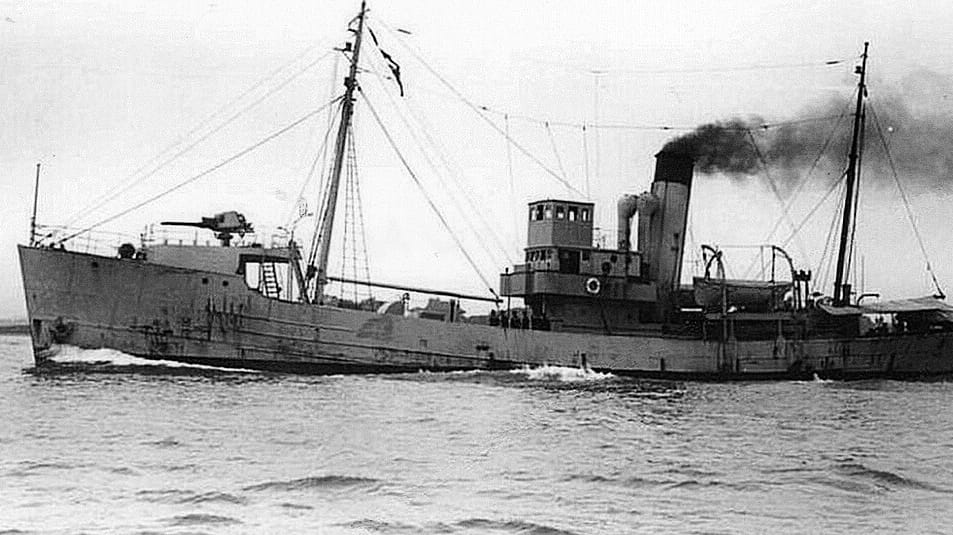
Some commentators have suggested that British trawlers could be leased by the Ministry of Defence to survey Russian internet cables and pipelines, and others have suggested that with the shortage of frigates currently being experienced by the Royal Navy, some trawlers could be activated under Ship Taken Up From Trade (STUFT) arrangements, equipped with drones and employed on coastal patrol duties. His Majesty’s Trawlers were used very successfully in a similar role during the Second World War by the Royal Naval Patrol Service, headquartered in Lowestoft.