

US Committee Urges Sanctions Over China’s Detention of Panama-Flagged Ships
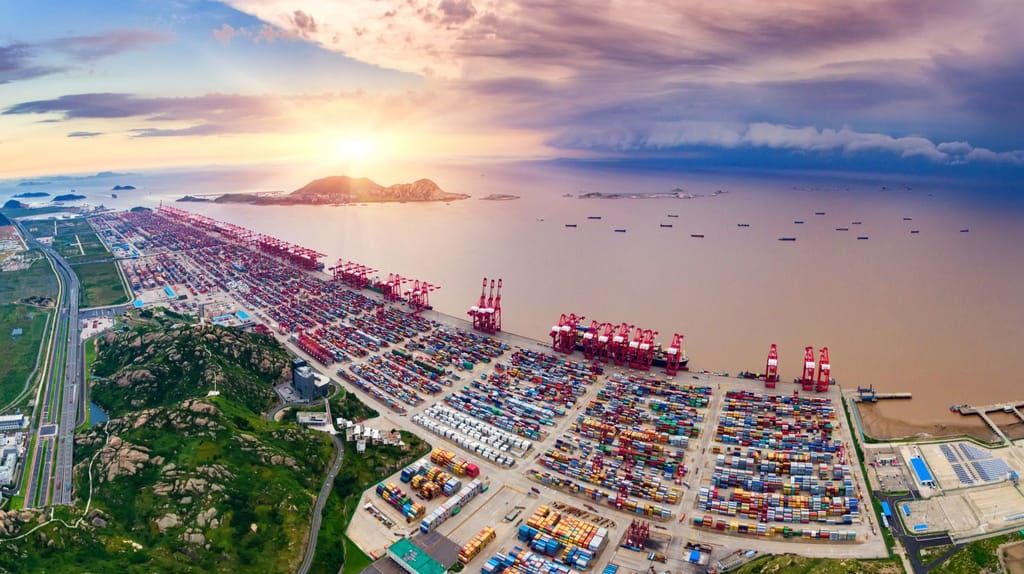
A U.S. Congressional committee charged with monitoring the economic and national security implications of trade and economic ties between the United States and China is calling for the U.S. Congress to take action related to China’s detention of Panama-flagged commercial shipping earlier this year. It is one of a series of recommended actions in response to what the committee sees as “economic coercion” and efforts by China to increase its influence in the Western Hemisphere.
The U.S.-China Economic and Security Review Commission was established by Congress 25 years ago to monitor trade as China entered the World Trade Organization. The 10-member commission is mandated to provide an annual report to Congress analyzing trade policy and actions and recommend steps for Congress to consider. It produced a 705-page report delivered to Congress on November 18.
One of the key developments the Commission explored was the detention of Panama-flagged shipping. China denied reports that it was a retaliatory action after Panama’s Supreme Court annulled the port operations concession held by CK Hutchison for the terminals in Balboa and Cristobal. China admitted the increased inspections but blamed it on Panama-flagged ships being involved in safety incidents, including collisions with fishing vessels.
The Commission, however, concluded it was a form of “economic coercion,” undertaken by China. They wrote in the report that China had made the “systematic use” of safety inspections of the vessels when they arrived in Chinese ports as a form of punishment on Panama, which operates the largest shipping registry based on the number of ships under its flag. The U.S. Federal Maritime Commission had also noted the action and reported it would investigate, while the State Department demanded an immediate end to the coercion.
The report provides data illustrating the increase in the number of inspections. They said it climbed from an average of about 21 a month to 140 inspections in May 2026, citing data from the Tokyo MOU. The commission estimated that a total of 500 vessels were subjected to the inspections before China quietly ended the effort in July after further discussions with Panama.
It was one of several steps cited by the report. It also cites Cosco Shipping stopping vessel calls at Balboa. There were unconfirmed reports that China was discouraging companies from business agreements with Panama while publicly questioning investment partnerships in Panama.
It also says that when Masek and MSC Mediterranean Shipping Company were summoned to meetings with Chinese officials, they were pressured to pull out of the Panama ports. CK Hutchison threatened legal action against the two companies after they assumed the operations for Panama of the terminals in Balboa and Cristobal.
The report concludes that more than 80 ships left the Panama registry in April and another 150 in May due to the inspection program.
The Commission also cited other efforts by China to increase its influence in the Western Hemisphere. China’s investments in ports, especially in South America, have drawn broad attention.
The report makes a series of recommendations to Congress. It calls for Congress to direct the Federal Maritime Commission to launch a full investigation into Chinese efforts. It says the FMC should be instructed to provide a report to Congress within 90 days.

that matters most
Get the latest maritime news delivered to your inbox daily.
It also says the lawmakers should authorize appropriate economic actions, including existing sanctions. The report recommends Congress authorize the president to take actions in response to Chinese economic coercion.
It also raises concerns about the investment in ports as well as other sectors, including energy and space infrastructure. It recommends that Congress direct US national intelligence to prepare an annual report on Chinese efforts in the Western Hemisphere.