


Oman's Strait of Hormuz Conference Implodes
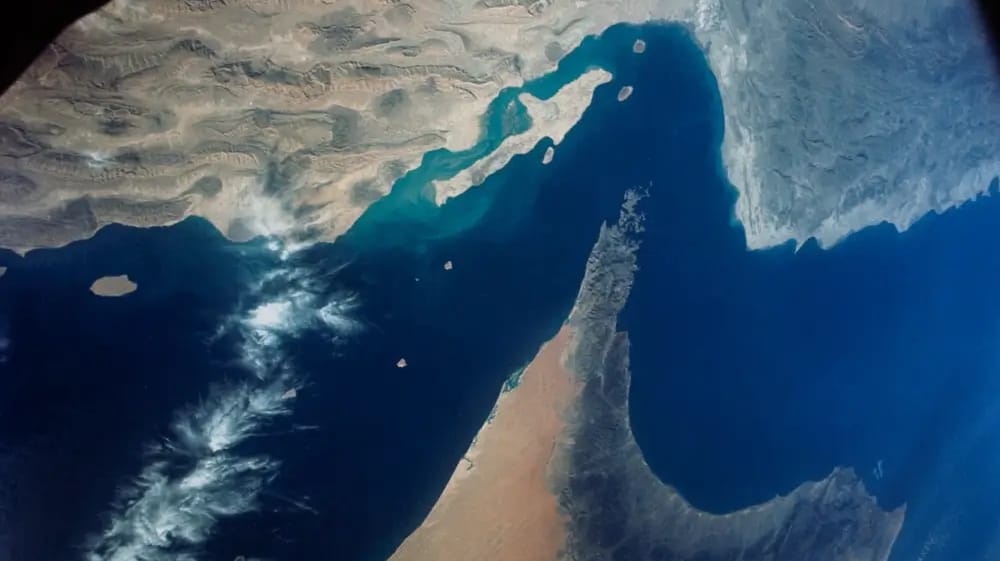
The Omanis have cancelled a regional conference which they had called for Monday in Salalah, to which all GCC members plus Iraq had been invited. Iranian Foreign Minister Abbas Araghchi told the Fars News Agency that the business of the meeting in Oman was to have been the joint presentation of a new maritime transit corridor in the Strait of Hormuz, over which Oman and Iran have come to a draft agreement.
Oman and Iran have been negotiating for months to try and reconcile differences over future arrangements for navigation in the Strait. Oman insisted that it wished to retain freedom of navigation and the right of innocent passage, as found in the IMO-endorsed arrangement that has been in place since 1968. Iran has been holding out to charge passage fees and to have the right to vet the traffic using the Strait. In the run-up to the conference, Omani leader Sultan Haitham bin Tariq and Oman’s Foreign Minister Sayyid Badr Al Busaidi have been keeping fellow GCC members up to date with progress, and also expressed confidence privately that the proposals met with approval from the United States.
Separate from the technical arrangements within the Strait itself, Iran is reported to have laid down seven pre-conditions which the United States would have been required to meet before the agreement could come into force, based around its interpretation of the terms of the June 17 US-Iranian Memorandum of Understanding. Most of the concerns that the other GCC states might have about the new arrangements are likely to have been covered by these pre-condition requirements, rather than the technical content of the deal which Oman has hammered out with Iran over navigation in the Strait.
Bahrain is known to have refused to attend if Iran’s representatives would be there, since Iran has attacked it with ballistic missiles and drones. Bahrain normally aligns its foreign policy closely with that of Saudi Arabia, and Riyadh is believed to have objected to some of the technical arrangements proposed for the new Strait transit plan.
The UAE has not announced that it has refused to attend, but could be expected to have a similar, more robust version of Bahrain’s viewpoint. A well-connected Emirati social media blogger, probably reflecting the official view, chose this particular moment to obliquely criticize Oman’s “never stop negotiating philosophy.” The commentator suggested that diplomacy in foreign policy needed to be matched by deterrence, involving judgement when firmness and robustness in defense of sovereignty and national interest was necessary.

that matters most
Get the latest maritime news delivered to your inbox daily.
If nothing else, the postponement of the conference has revealed the split between the interests of the United States, which seeks to end the war just with some restitution of controls over Iran’s nuclear weapons capability, and those of the Gulf states, whose economies and national well-being are threatened by Iranian expansionism, drone and missile strikes and restrictions on trade flows in the Strait of Hormuz. As their refusal to attend the Salalah conference shows, the Gulf States have not given in to Iranian pressure, seeking to build alternatives to the current restrictions on use of the Strait of Hormuz, rather than surrender, concede a permanent advantage or accept Iranian regional dominance hereafter.
Little is likely to change for mariners in the Strait of Hormuz in the near future, save that Iran is likely to increase its attacks on shipping, on US regional bases and on GCC infrastructure, as part of its campaign to end the US naval blockade. A lifting of the US blockade is essential for the survival of the IRGC-dominated regime, as it deprives Iran of the money it needs to maintain its grip on power.
