


Hormuz Transits Fall to Lowest Level in Two Months as Attacks Increase
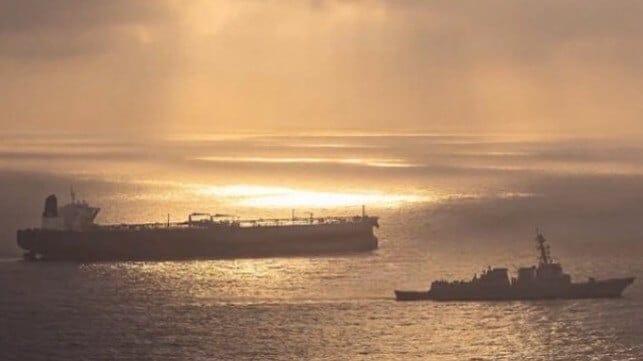
New data suggests that the volume of ships transiting the Strait of Hormuz has again fallen off, despite the consistent assertions from U.S. Central Command that flows are increasing and “building momentum for freedom of navigation.” The latest reversal followed an increased pace of attacks on tankers, and after reports had indicated oil flows were back to pre-war levels.
The volume of crude oil transiting the Strait of Hormuz has reportedly fallen by a quarter (27 percent), Reuters reports, citing data from Kpler. It says that the number of vessels transiting the Strait of Hormuz is at its lowest point since July 23.
Kpler cited a total of seven commodity vessels, i.e., tankers and others, on Tuesday, October 6, while LSEG data showed eight vessels on Tuesday, including five tankers. LSEG shows that 14 vessels had made the transit on Monday, and it is well below the average of more than 20 per day earlier in the month. Exact numbers are difficult to determine because of the proportion of vessels making a dark transit, i.e., without AIS transmissions, which continues to be high. Still, all the experts agree the volume of transits has again fallen.
Kpler reports the largest portion of the decrease in oil shipments is from vessels involved in the ship-to-ship transfers. Iran appeared to be targeting these vessels based on the statements of its Persian Gulf Strait Authority and the vessels it added to its “non-compliant list.” Further, Kpler says an increase in exports from the Gulf of Oman coast and the Red Sea is, however, making up for some of the shortfalls of crude being shipped through the Strait of Hormuz.
These reports contrast with U.S. Central Command, which released new statements refuting Iranian claims that the Strait of Hormuz is closed and under Iran’s control. CENTCOM cites 20 million barrels of crude that transited through the Strait without citing a timeframe. Further, it asserts, “In recent months, U.S. forces have supported the shipment of over 1.25 billion barrels of crude oil from Gulf partners and through the Strait of Hormuz.”
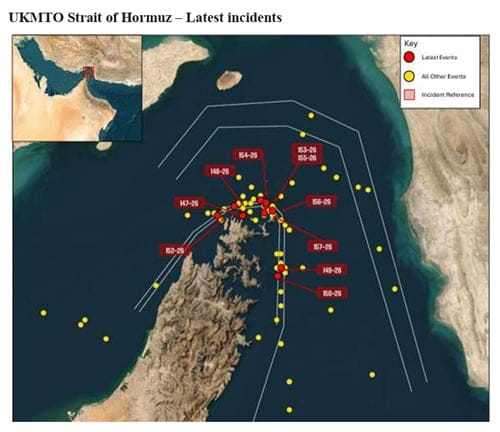
(JMIC October 8 report)
The increase in the number of attacks on tankers is believed to be having the greatest impact on transits this week. Iranian media asserted that over the past week, 14 vessels have come under attack and that more than six have been warned to turn back.
While those figures cannot be confirmed, even the Joint Maritime Information Center maintained by the Combined Forces in the Gulf region admits in its latest report released today (October 8) that “attacks have become more frequent since the last reporting period and require added crew vigilance and additional industry monitoring.” It cites six confirmed attacks between October 3 and 6, including one incident where a vessel threatened by Iranian forces turned back. Between October 1 and 8, the JMIC lists a total of 10 incidents in the Strait of Hormuz.
Iran appears to be lashing out at the tankers as diplomatic efforts have stalled and the U.S. was working to move vessels through the Strait. It also continues to feel pressure as reports indicate its offshore oil storage outside the Gulf region is largely depleted, reducing revenues while the U.S. blockade remains firmly in place.

that matters most
Get the latest maritime news delivered to your inbox daily.
CENTCOM said as of October 5 it had redirected 130 commercial vessels over the 80-plus days of the current blockade. In one place, it writes that 13 commercial vessels that violated the blockade or were part of Iran’s shadow fleet have been destroyed, while in its report on the blockade it says three vessels were disabled. It, however, says more than 70 humanitarian aid ships have been permitted to pass.
With the past week having been the worst week of attacks on commercial shipping since the start of the war at the beginning of March, analysts expect operators will continue to pull back on transits until the situation can again be stabilized. There have also been reports of large bonus payments being offered to masters or crews to work vessels to make the transit under the current conditions.
