
Durban Port Congestion Becomes Headache for the Auto Industry
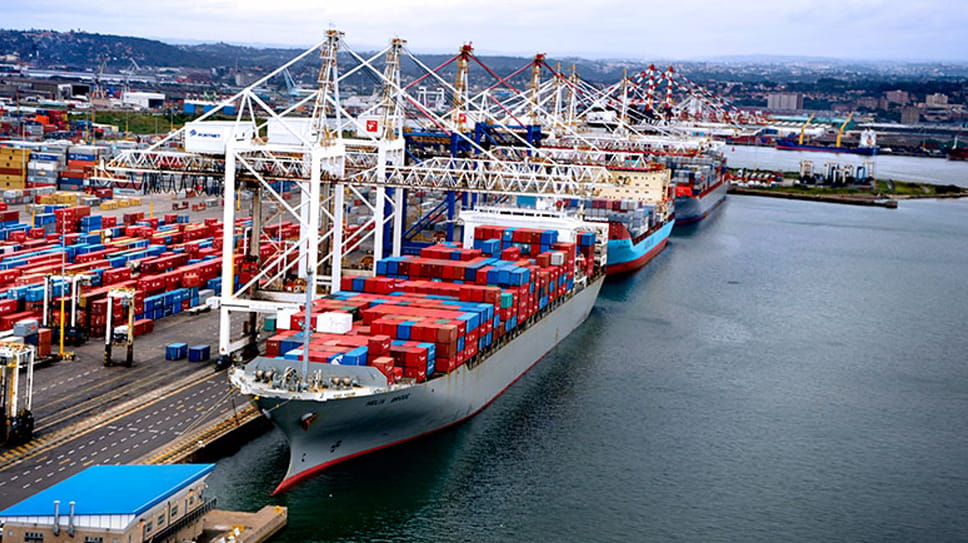
South Africa’s automotive sector has taken a hit from the ongoing congestion at the Durban Gateway Terminal (DGT). The facility operated by the Philippines-based International Container Terminal Services Inc (ICTSI) handles nearly half of South Africa’s containerized cargo. Unfortunately, the past few weeks have seen cargo backlogs rise, with the South African government blaming it on a new terminal operating system, which was introduced by ICTSI.
While the port disruption is being felt across major sectors spanning health care and mining, the impact has been debilitating for the automotive sector. Last week, the Johannesburg-listed automotive supplier Metair said that it is facing delays of up to 20 days in clearing its inventory from the port.
The company warned it could invoke force majeure in its supply contracts if the delays at DGT persist. Metair is a major automotive components supplier to Toyota, Ford, Volkswagen and Isuzu plants in South Africa.
Metair estimated that its operating costs would rise by up to 25%. In some instances, the company is opting to use the costly airfreight for delivery of inventory, which accounts for the added expenses. But the breakdown of the South African automotive sector is a result of supply chain struggles combined with other factors.
A fragile energy and transport infrastructure in South Africa has been cited for the ongoing contraction in manufacturing. Last month, Minister of Trade and Industry Parks Tau reported that South Africa’s manufacturing sector lost 45,995 jobs in the last two years.
The situation appears to be worsening, with the tire production company Continental recently announcing that it would close its plant in Port Elizabeth (Gqeberha) by early 2027. The company, a subsidiary of the German tire maker Continental AG, has been producing tires in Port Elizabeth since 1985.
The potential closure of the production plant by Continental has put at risk 950 jobs. The company blamed low-cost imports from Asia as its major hurdle. In addition, Continental said that rising energy costs and supply chain disruptions have pushed up manufacturing costs in South Africa.
But as deindustrialization concerns rise in South Africa, players in the logistics sector view Durban port woes as a huge letdown for the country. Persistent logjams in the container terminal (DGT) reveal a transport-wide problem spanning the port, roads and rail. But the fix appears to be piecemeal.
On one hand, Transport Minister Barbara Creecy has threatened to revoke ICTSI’s operating license if operational performance in DGT fails to improve in the next three months. On its part, ICTSI blamed the poor state of port equipment.

that matters most
Get the latest maritime news delivered to your inbox daily.
“We acknowledge the continued service shortcomings. At the heart of the matter has been poor and unsafe condition of equipment at the facility, owing to years of under-investment and inadequate maintenance,” said ICTSI.
Last week, Transnet announced several short-term measures to ease congestion in DGT. These include diversion of vessels to Ngqura port to discharge Durban-bound containers. At Durban Port, Transnet dedicated Berth 102 to accommodate geared vessels transferring containers from Ngqura. Transnet will also prioritize berthing of vessels carrying essential cargo such as auto parts and pharmaceuticals.