


Uncertainty and Diverse Approach Slow Orders for Alternative Fuel Vessels
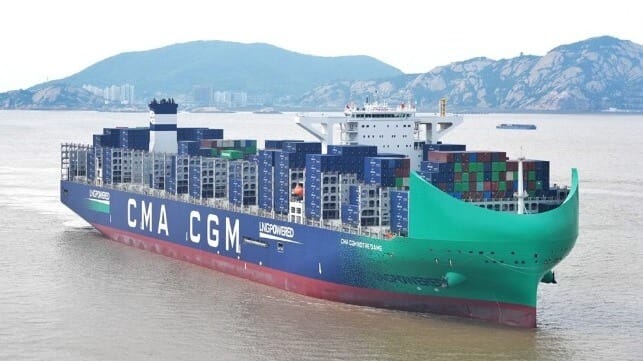
The pace of orders for alternative fuel vessels has slowed in 2026, reports DNV in its latest analysis of the orderbook from the DNV Alternative Fuels Insights platform. It reports that by the end of May 2026, the share of alternative-fueled vessels in total tonnage was “notably lower” than over the same period in 2025.
“While the pace of alternative-fueled contracting has varied compared to 2025,” says Jason Stefanatos, Global Decarbonization Director at DNV Maritime, “what is also becoming clear is that fuel choice is no longer approached as a single bet. Owners are increasingly treating it as a portfolio decision, managing fuel optionality, timing of investment, and exposure to future regulation as they navigate long-life asset decisions.”
Owners have to weigh the balance between the investment in new technologies and the dangers of creating stranded assets that could become obsolete before their planned economic lives. Weighing on the industry is the continued uncertainty and diversity in the regulatory environment. Last October, the United States and others succeeded in scuttling the International Maritime Organization’s push for the Net Zero Framework, which was further compounded by the failure to show a clear path in the April 2026 meeting. Many have said this creates the possibility of divergent, regional regulatory regimes.
DNV calculates that so far in 2026, there have been a total of 119 orders for alternative-fuel vessels, but the orders are focused on the more established fuels. The majority are for LNG (50 percent), with LPG/ethane carriers running a close second (42 percent). The orders for methanol/ethanol lagged at just four in the first five months, reports DNV, the same as ammonia, and just one order for hydrogen.
This varies from the recent past, when methanol seemed to be gaining ground on LNG. At one point, they were nearly equal for new orders. With LNG showing new momentum, DNV calculates that there are now more than twice as many LNG orders (663) as methanol (313), which, however, remains in second place overall in the orderbook. LPG remains a niche with just 197 orders.
The pace of the orders also varies by sector. Containerships accounted for 42 of the 60 orders for LNG vessels, followed by 12 orders for car carriers.
“As in previous years, ordering of alternative-fueled vessels has been led by the container segment, but dynamics are shifting,” explains Stefanatos. “While activity remains strong, the focus has moved towards smaller vessels, with fewer very large containerships, which are historically more likely to adopt alternative fuels, being ordered. At the same time, we are seeing increased activity in tanker and bulker segments.”
After packing the orderbook for ultra-large container vessels, and pushing the level to records, the focus shifted among many of the carriers to feeders that can be used to support their hub strategies. DNV highlights that most of the feeders and even mid-size container vessels still use conventional fuel, in part due to supply issues and smaller ports. This is being reflected in the orders.
Some segments, however, are focusing on LNG. For example, The Maritime Executive calculates that among large ocean-going cruise ships, half the orderbook is for LNG dual-fuel vessels (49 percent by number of vessels). By tonnage, it is even more dramatic, with 64 percent of the cruise ship orders incorporating LNG dual-fuel propulsion. Currently, about a third of the cruise ships in service are LNG, while the first methanol-ready cruise ships have also been delivered.
DNV’s data shows that conventional fuel continues to dominate the broader commercial shipping industry, where 95 percent of ships in operation (by tonnage) and 99 percent (by number of ships) operate on conventional fuel. Large ships are leading the take-up for alternative fuels, with 35 percent of the orderbook (by gross tonnage) incorporating alternative fuel capabilities, while overall just 15 percent of the orders are for alternative-fueled vessels.

that matters most
Get the latest maritime news delivered to your inbox daily.
The trends were continuing in May 2026. DNV reports a total of 36 orders for alternative-fueled vessels. However, 26 were for LPG/ethane carriers, just eight for LNG-fueled vessels, and two ethanol-fueled bulk carriers. Notably, there were no methanol-fueled orders while ammonia and hydrogen continue to wait for further developments in the technology and infrastructure.
While the pace has slowed for the adoption of alternative fuels, DNV believes owners are still advancing fuel and technology decisions against a backdrop of evolving regulatory and market conditions.
