


UN Tribunal Awards $14M in Compensation for 2022 Seizure of VLCC off Africa
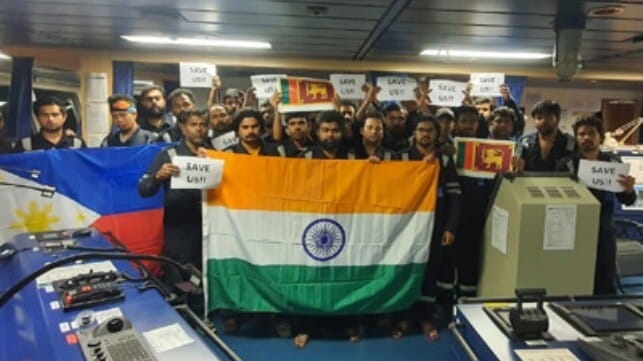
The International Tribunal for the Law of the Sea, a UN body for settling international maritime disputes, read out its verdict in the 2022 case of the seizure of the crude oil tanker Heroic Idun, awarding just over $14 million in compensation. A five-judge panel, including a representative from the Marshall Islands and Equatorial Guinea, ruled that Equatorial Guinea had violated multiple principles of the Convention of the Seas and the right to free navigation when it seized the vessel and held the crew before later turning them over to Nigeria for prosecution.
The incident had begun in August 2022 when the tanker was waiting to load crude at an offshore Nigerian platform. When it was approached by a small boat claiming to be the Nigerian Navy, the crew panicked, thinking it could be pirates. They decided to depart while the Nigerians asserted the ship did not have proper papers and was attempting to illegally load oil.
Nigeria was unable to stop the vessel as it headed south off the west coast of Africa. While it was in the EEZ of São Tomé and Principe, the navy of Equatorial Guinea intercepted the Heroic Idun. The crew asserted they were threatened by the navy vessel, saying it would use force to stop the ship. They relented and were directed into anchorage in Equatorial Guinea, arriving on August 13, 2022. The crew and the tanker were detained for more than three months, with part of the crew removed from the tanker and taken to Malabo.
The Marshall Islands, as the flag state of the tanker, joined with others in protesting the detention and seeking to have the crew released. Despite the protests, the crew and the tanker were handed over to Nigeria in November to face charges of piracy. The crew was finally released in May 2023.
The Marshall Islands filed the complaint against Equatorial Guinea for the illegal detention of the vessel and, in April 2023, agreed to the terms of the tribunal.
Reading out its verdict, the court said Equatorial Guinea had attempted to justify its actions due to the threat of piracy in the region and a regional anti-piracy crackdown. The tribunal, however, said, “There was no credible basis of the contention” and that the evidence from Equatorial Guinea failed to provide adequate grounds to justify the seizure on the suspicion of piracy. It said that anti-piracy operations still have legal limits and “cannot be used as a blanket justification for stopping and seizing foreign commercial ships.”
The Tribunal found that the interception and apprehension of the tanker was a violation, as was the levying of a fine. In addition, it said the treatment of the crew was another violation. It also said that Nigeria was not an indispensable third party to the proceedings.
The Marshall Islands had sought nearly $55 million in damages plus the return of the $2 million fine imposed on the captain while the ship was in Equatorial Guinea. The total amount of the award is $14 million, including the repayment of the fine.
Among the elements that were awarded to the Marshall Islands in its complaint were the medical costs for the crew during the 92-days they were detained in Equatorial Guinea, as well as the crew’s pay, travel costs, bunker expenses for the tanker, agency and port fees, and an increase in war risk premium and lost income while the vessel was unavailable for hire. They also awarded the costs of putting in place a replacement crew and the costs for drydocking and repairs to the tanker. The only cost the Tribunal did not reimburse was the expense incurred for security escort services in Nigerian waters.

that matters most
Get the latest maritime news delivered to your inbox daily.
Compensation for the 26 crewmembers being held for 92 days was figured at $1,750 per day per person. That totaled $4,186,000.
The Tribunal released a 206-page report. Established by the UN in the 1990s, the rules of the Tribunal are that all judgments are final. There are no provisions for an appeal.
