


Pakistan Begins Escorting Shipping as Fuel Austerity Measures are Enacted
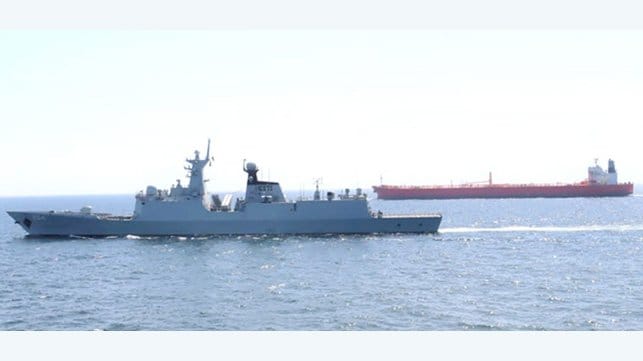
Pakistan became the first nation outside the Arabian Gulf region to announce sweeping austerity measures due to the skyrocketing price of oil while also announcing it is escorting merchant ships. In a televised speech, the Prime Minister of Pakistan, Shehbaz Sharif, said the country faces difficult decisions just a day after the finance ministry had said its petroleum supplies remained at “comfortable levels.”
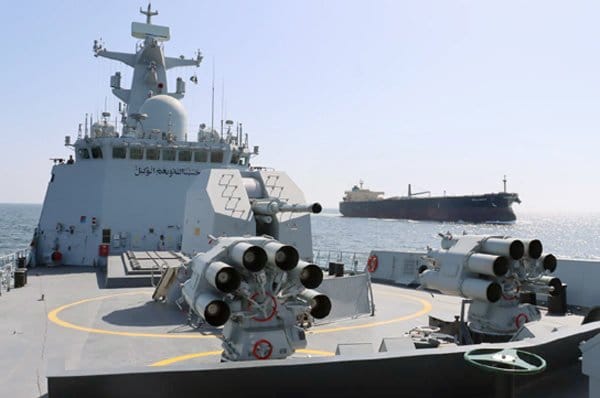
The Pakistan Navy launched a security mission named Operation Muhafiz-ul-Bahr (Protector of the Seas) and released photos of its warships escorting commercial vessels. One picture was of a laden tanker that was reported to be due in Karachi on March 9. The second was of a tanker traveling with ballast.
“The initiative has been undertaken to ensure the uninterrupted flow of national energy supplies and the security of Sea Lines of Communication (SLOCs),” the government said in a statement, citing the “multidimensional threats to national shipping and trade.” It said the goal of the operation is to ensure that vital sea routes remain safe, secure, and uninterrupted.
Pakistan Navy has launched Operation Muhafiz-ul- Bahr to safeguard maritime trade and energy lifelines amid evolving regional maritime security dynamics. The operation aims to ensure secure Sea Lines of Communication and uninterrupted national shipping. 1/2 pic.twitter.com/rcDdllV12X
— DGPR (Navy) (@dgprPaknavy) March 9, 2026
The government acknowledged that 90 percent of Pakistan’s trade is conducted by sea, while media reports highlighted the dependence on Saudi Arabia for oil and fuel and Qatar for natural gas. Last Friday, March 6, the government enacted a 20 percent increase in the price of gasoline, with reports that it triggered long lines at gas stations.
In the Prime Minister’s speech, he outlined a series of steps that would save fuel and reduce some of the financial pressures on the country from soaring prices. Schools were ordered to close for the next two weeks, and universities were told to switch to remote learning from home. At the same time, half of all non-essential government employees are being told to work from home, while all government offices will operate on four-day-a-week schedules. Foreign travel is also being restricted for most ministers and government officials.
The government is also instructing departments to reduce spending by 20 percent while it is banning the purchase of various equipment, including cars. It is also reducing the fuel allowances to government departments by 50 percent and said it would start taking 60 percent of official vehicles off the road, excluding ambulances and buses.
Analysts note that the country, however, will likely have to work to further reduce individuals’ fuel consumption, which is mostly related to transport. However, of greater concern is that nearly a quarter of Pakistan’s electricity is generated using natural gas coming from Qatar, which has announced it has suspended gas operations.

that matters most
Get the latest maritime news delivered to your inbox daily.
The government of Pakistan, Reuters reports, on Tuesday called on Saudi Arabia to reroute oil supplies. They are calling for Saudi Arabia to increase fuel exports from the port of Yanbu on the Red Sea. North of Jeddah, the port has a pipeline connection, but routing would take the ships through Houthi-controlled regions of the Red Sea, with the militants having threatened to resume their attacks supporting Iran.
Pakistan is reported not to be alone in its rising concerns for the safety of shipping. A senior official in India, Captain P.C. Meena, said India is also considering sending its warships out to provide naval escorts. He said it would be in response to requests from Indian shipowners.
