


North Korea Tests Sub-Launched "Strategic" Cruise Missile
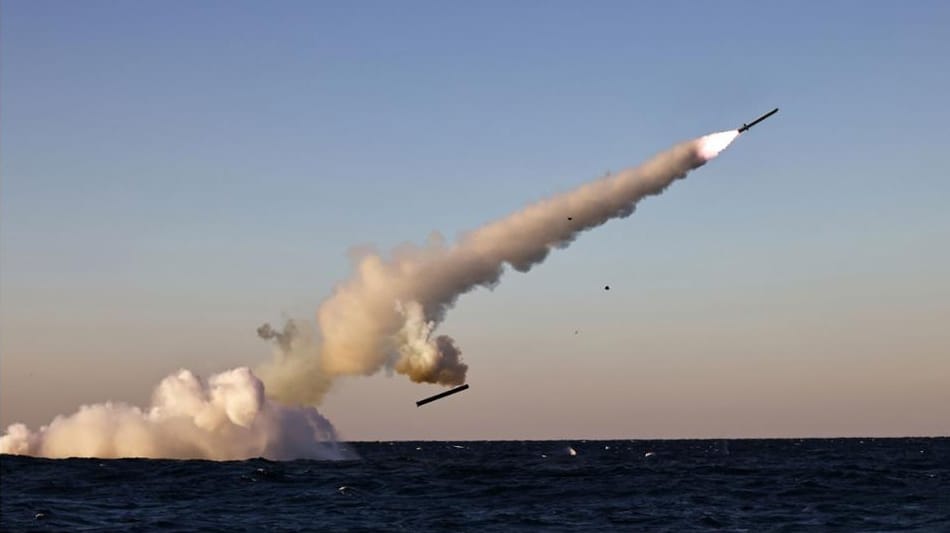
On Wednesday, North Korean forces tested two different types of missiles that can be launched from underwater, according to Pyongyang's state-owned media. If effective in operation, the submarine-launched missiles would give the North a way to conduct attacks with less notice, and would provide a strike or counterstrike capability that is harder to target and eliminate.
"The test-fire aimed to examine the current mobilized posture of the underwater combat systems and contributed to getting the Navy skilled in performing its strategic missions and showcasing high reliability, trustworthiness and ability of the war deterrents of the DPRK," state outlet KCNA said in a statement.
KCNA's phrasing is official language, and the inclusion of the word "strategic" in the event description suggests to analysts that the missiles may be nuclear-capable. The outlet described the devices as "strategic cruise missiles," and official photos depicted the missiles on a horizontal flight path.
While KCNA published an accompanying image of a submarine, it is not known whether the North possesses an operational sub with the capability to launch missiles of this type. North Korea has been known to conduct submerged missile launch testing with a purpose-built submersible launch platform.
North Korea has previously tested one type of submarine-launched cruise missile, the Pulhwasal-3-31, last seen in January 2024. It unclear how closely the two devices tested this week were related to the previously-disclosed model.

that matters most
Get the latest maritime news delivered to your inbox daily.
In a statement Monday, U.S. Pacific Command confirmed that North Korea had test-launched two ballistic missiles and said that the event did not pose a threat. The command has not yet commented on the claimed cruise missile launch.
North Korea spends an estimated 25 percent of GDP on defense, more than any other nation outside of an active conflict zone, and has long emphasized development of its nuclear weapons program. In recent years it has invested heavily in its naval capabilities, including two destroyers fitted for ballistic missiles. It has a strong defense relationship with Russia, and is believed to be receiving some degree of military technical assistance in exchange for munitions and manpower for the front in Ukraine.
