

Marinakis: "Better to Pay a Fee" for Hormuz Transits
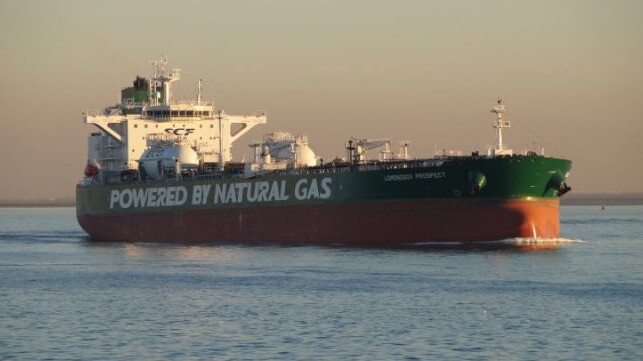
Most shipowners are reticent to discuss the arrangements they might be willing to make with sanctioned regimes, but on Tuesday, prominent Greek tanker owner Evangelos Marinakis said what many are thinking quietly: for business purposes, it might be better just to pay for transit through the Strait of Hormuz and receive security assurances, all questions of geopolitics aside.
"For me, it is better to pay a fee of $100,000 or $200,000, depending on the size of the cargo or the size of the vessel, than to have all this hassle," Marinakis said at a conference forum at Posidonia.
Iran has implemented a tolling and routing procedure for traffic through the strait; for safe passage through Iranian waters, it imposes charges that vary by ship and cargo nationality. It has set up a new administrative body - the Persian Gulf Strait Authority - to handle paperwork for vessel approvals, and the Islamic Revolutionary Guard Corps is overseeing enforcement through kinetic means.
The legality of Iran's arrangement is questionable: under international law, the strait is open to traffic of all nations without charge, and there is no clear precedent for charging tolls on such a waterway. In addition, both the IRGC and the PGSA are sanctioned entities, and the U.S. Treasury has made clear that it will pursue enforcement against anyone who transacts with Iran to arrange a transit.
Hypothetically, Marinakis suggested, a fee for Hormuz transits could "pay for all the damage of what has happened so far" in the U.S.-Israeli war with Iran. The suggestion aligns with Tehran's view of the fee system, which it sees as a way to extract reparations from neighboring GCC states and from the West.
Other Greek owners have run the Iranian blockade, and at least one is rumored to have paid Iranian transit fees, making payment in Chinese renminbi rather than dollars. The size of the fee is not officially known, but numbers as high as $2 million per transit have been circulated. But Greek owners do not have an exclusive lock on the route, and others may have a higher risk appetite, according to analyst Maria Bertzeletou of Signal Group.

that matters most
Get the latest maritime news delivered to your inbox daily.
“I have a feeling that some western ship owners could sell some second-hand tankers to Asian owners who have an appetite to cross the strait, while Western owners focus on other routes,” Bertzeletou told Middle East Eye earlier this year.
Top image courtesy Jos Hoogesteger / VesselFinder