


ITF Calls for Panama Canal to Address Fatigue Following Tug Captain’s Death
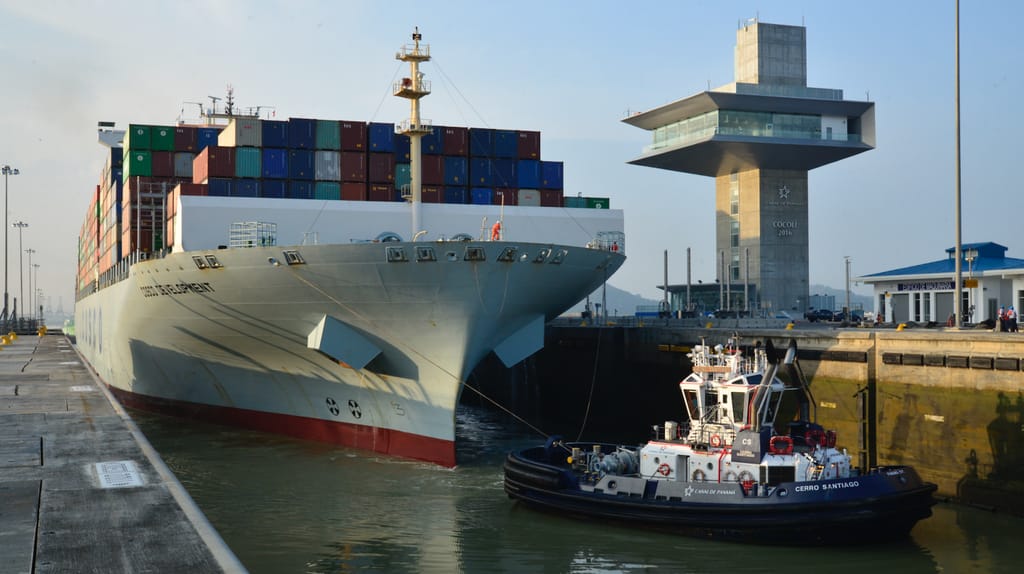
The issue of fatigue among tug operators at the Panama Canal is again attracting attention after the captain of a tugboat is said to have died due to a grueling work schedule.
The International Transport Workers' Federation (ITF) is calling on the Panama Canal Authority (ACP) to take action after a 59-year-old captain died aboard the tug Cerro Santiago. The captain died on September 30 while assisting a northbound Neopanamax vessel. He was said to have been working an extended midnight watch on his sixth consecutive day of duty.
While initial reports indicate the captain of the 2013-built tug died due to a possible stroke, ITF wants the cause of death to be established through a thorough, independent, and transparent investigation.
The ITF is making reference to the fact that fatigue among tug workers has, over the years, been a major issue of concern. For that reason, the investigation into the captain’s death, it says, must include reviewing the possibility of fatigue and must include mechanisms to enforce workers’ protections in terms of rest, consecutive duties, working hours, and staffing.
“Unions in the canal have been warning about safety risks associated with fatigue for years, and those warnings must now be heard,” said Stephen Cotton, ITF General Secretary. He added that the authority must address the issue of fatigue by putting limits on consecutive duties, allowing workers to have proper rest, and hiring more people to have safe staffing levels.
While the authority has remained quiet on the captain’s death, the issue of fatigue among tug operators continues to be a concern for the critical waterway that is the maritime trade route handling about 40 percent of U.S. container traffic and approximately five percent of world trade.
Over the years, there have been numerous incidents at the canal that have been directly attributed to fatigue. As an example, in 2017, the tug Cerro Santiago collided with the U.S. Coast Guard cutter Tampa. An investigation into the collision determined it was caused by failure of the master of the tug to maintain a vigilant watch due to fatigue.
A past study commissioned by Panama’s captains’ union, the Unión de Capitanes y Oficiales de Cubierta (UCOC), asserted that working long hours continues to be a safety hazard for the canal and crew.
“Workers and unions have long warned that excessive hours and inadequate rest put lives and safe operations at risk in the Panama Canal. The authorities must now act without delay,” said Jacques Kerkhof, Chair of the ITF Inland Navigation Section.

that matters most
Get the latest maritime news delivered to your inbox daily.
In June this year, ACP celebrated a decade since the canal’s historic expansion, stating that the expansion has had significant impacts, including increasing the Canal’s capacity, boosting revenues, and consolidating the role of the waterway as an essential platform for global trade.
The authority said that during the first eight months of the 2026 fiscal year, running from October 2025 through May 2026, 8,593 transits were recorded, of which 27.7 percent correspond to Neopanamax vessels, representing 2,385 transits. The expanded canal now accounts for more than 50 percent of the total revenues generated by the interoceanic waterway.
