


Iran Says It Offered the US a New Proposal to Open the Strait of Hormuz
Iranian officials appearing at the United Nations on Friday, September 25, said they have offered a new proposal for opening the Strait of Hormuz in a week’s time. They said it all depends on the U.S. response to the proposal, which was reportedly conveyed by mediators from Qatar.
The core of the proposal appears little changed from the previous interim agreement and terms that have been repeatedly presented and then violated. Iran set as the key conditions the lifting of the U.S. naval blockade of Iranian ports and embargo on Iranian shipping, waiving the sanctions on Iranian oil sales, and observing a ceasefire with Iran that would also include Lebanon.
The reports indicated that, as a “sweetener” or “enticement,” Iranian Foreign Minister Abbas Araghchi said Iran would restart talks with the U.S. on its military program, seven days after the agreement is accepted. Reuters, however, is quoting another “senior Iranian official” who it says indicated on Friday that Iran would show no flexibility over its nuclear program even if the United States accepts its proposal to reopen the Strait of Hormuz.
Today’s message came, Reuters reports, after Iranian President Masoud Pezeshkian told the media at the UN on Thursday that he hoped a deal to end the hostilities could be reached before the US midterm elections on November 3. Donald Trump has said in the past that he thinks a deal will be reached after the elections and that Iran was waiting to see the outcome of the vote.
There was no immediate response from the White House to the Iranian comments, but it said earlier in the week that U.S. officials had positive and constructive conversations with mediators on the Iran war. The Associated Press is citing Saudi Arabian officials who said they were “skeptical of the latest push for a deal.”
Trump had used harsh words after the collapse of the June deal, saying Iran did not respect its agreements and that he accused it of prolonging the discussions and wasting time. He has said he was skeptical that an agreement would be honored and, in his speech to the United Nations this week, threatened Iran with “annihilation.”
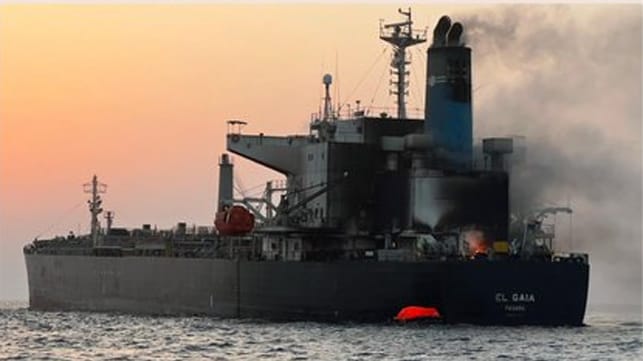
The administration continues to insist the Strait of Hormuz is open despite at least four vessels being struck in the past few days. At least two were reported on fire and abandoned, with casualties among the crew. U.S. Central Command on Friday also reported that it has redirected 122 commercial vessels to ensure strict compliance with the blockade.
Exact numbers on the number of passages are hard to confirm, as most vessels are currently turning off AIS transmission for a “dark” passage. However, Reuters, citing data from Kpler, said crude oil flows out of the Strait of Hormuz so far this week reached 33.7 million barrels, versus a total of 49.2 million barrels of crude for the full period last week. It is also citing a consistent trickle of vessels, which remains below last year's levels. Bloomberg is also reporting that Qatar increased LNG shipments, reaching the highest tanker traffic through the Strait in more than two months.

that matters most
Get the latest maritime news delivered to your inbox daily.
Iran’s so-called Persian Gulf Strait Authority (PGSA) continues to assert that it is responsible for the safe, secure, efficient, and coordinated passage of vessels navigating through the Strait of Hormuz. It says vessels must seek its approval and that it is ensuring compliance with national and international maritime regulations. Although it did not announce it, its non-compliant list has been expanded to a total of 81 vessels that it says are violating Iranian protocols for the Strait of Hormuz and shall face restrictions on future passages, including fines, detention, or confiscation.
The International Maritime Organization now lists 85 confirmed incidents as of September 24. It says there are 24 confirmed seafarer fatalities, although there is no accurate count of the number of seafarers injured or who remain trapped in the Persian Gulf.
