


Iran Has Few Options to Circumvent the U.S. Blockade on its Oil Tankers
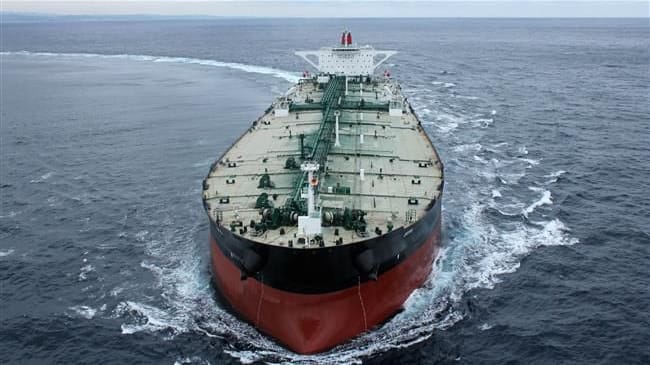
There is some debate about exactly how much oil and LNG is being shipped out of the Gulf from the GCC producers on its southern shores, but little disagreement about how much Iran is managing to export: none.
With the Iranian oil reserve held afloat off Malaysia and China likely to run out this month, and the last revenues from these sales all coming in by the year’s end, Iran faces a drastic curtailment on government revenues - probably amounting to 40% of what had previously been expected in the annual budget. There will still be enough money to fund national security priorities – rebuilding the nuclear program, manufacturing ballistic and air defense missile stocks to replace wartime attrition, and paying the wages and running cost of the Basij internal security apparatus. But the money devoted to the general population will be in very short supply.
Iran since the revolution has lived through many crises, and out of adversity has demonstrated hardiness and resilience. In particular, it has honed its sanctions evasion skills and stratagems. It should be expected that with no oil or LNG flowing out of Iran on traditional routes, alternative export routes will be sought to help prop up the nation’s finances. There are a number of potential plans which might be under consideration.
Iran has two railway connections which might be of value, of which the route through Sarakhs, across Turkmenistan to China, might have some potential. Moving oil by rail car is not optimal, and is obviously more expensive than doing so by ship. Nonetheless, Canada managed to ship 175,000 bpd from Alberta to refineries in the United States in 2014, equivalent to about 20% of Iran’s oil exports to China. But the challenges of setting up such a transport system are enormous. Infrastructure has to be built, and rail cars procured. The rail route and its bridges have been bombed by the United States before, and probably would be so again if any traffic was observed. The rail journey to China would take between 10-15 days – and then the rail cars need to be returned. Moreover, the rail path has a number of track gauge changes en route, adding cost, time and complexity. Such a solution would take years to deliver, and Iran’s need is immediate.
Shipping oil across the Caspian is another non-starter. The Iranian national oil transmission network has a pipeline link to Zaghmarz on the Caspian Sea, but this was built as an import conduit for Russian oil being imported for refining to meet domestic fuel needs in northern Iran. Tankers on the Caspian are shallow draft and carry low volumes. Neither Azerbaijan nor Kazakhstan are on friendly terms with Iran, so would not be prepared to insert Iranian oil into their oil transmission systems, either from Kazakhstan through the Caspian Pipeline Consortium pipeline, or from Baku via the pipeline though Tbilisi to Ceyhan.
The Emiratis own a fleet of specialist tankers operating between Aktau and Baku, but they are not going to be diverted to meet Iranian needs. Russia is having trouble enough exporting its own oil. Small volumes of Iranian oil may be somehow shipped out across the Caspian, but the volumes will remain very small.
Road routes through Turkey are a non-starter. Truck delays on the Iran-Turkish border are typically 10 days, and the costs of transportation would be prohibitive.
Currently there is no infrastructure which would support export of Iranian oil through Iraq, although if interconnectors could be built, they would be short. Given US oversight of Iranian exports to Iraq under pre-war sanctions arrangements, Iran would have to defeat a sophisticated US in-place monitoring operation if it were to export any appreciable quantities of oil.
The play most likely to yield results involves covert arrangements made between Iran and some Gulf suppliers to permit certain tankers to transit the Strait without being attacked, particularly if the end-user was a country deemed friendly to Iran - such as Malaysia, which was favored in March 2026, or Pakistan, thanks to its role in facilitating negotiations. Such an arrangement might involve paying a margin on a cargo permitted to leave through the Strait without attack. But in total the revenues to be earned would be meager in comparison with revenues earned by more conventional routing, and far from enough to fill the gap left by the cessation of Iranian oil exports.

that matters most
Get the latest maritime news delivered to your inbox daily.
The fact that Iran is struggling to deal with a blockade, and has no alternative means of selling exports, is reflected in the fact that loadings at Kharg Island and elsewhere have ceased entirely. Moreover, shuffling oil within the Gulf or along the Makran Coast - for example, to meeting domestic refining needs - is now becoming difficult, since the US Navy has begun to warn vessels underway between Iranian ports to cease movements, and have sunk several off Jask and Chah Bahar already.
For the moment, the skills of Iranian sanctions-breakers seem insufficient to provide much relief for the Iranian government’s looming fiscal shortfall.
