


Russian Fuel Shipments Add to Spat Between Ukraine and S. Korea
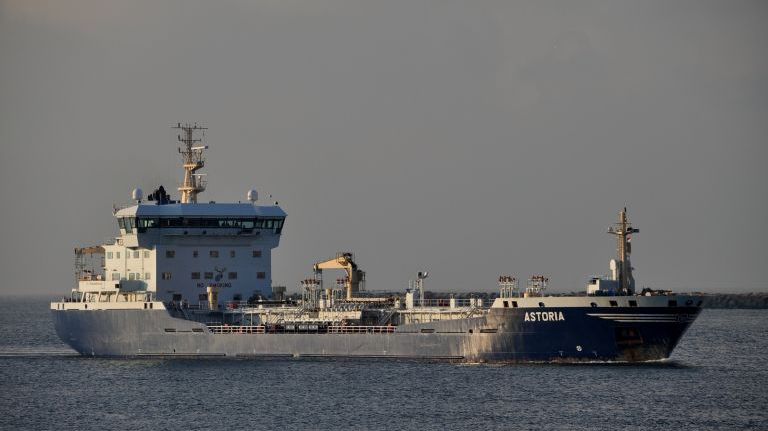
A series of reported diesel shipments from Ulsan to Vladivostok have added fuel to a growing diplomatic dispute between South Korea and the Ukrainian government.
According to a recent analysis by The Guardian, Korean exporters shipped about 1.3 million barrels of diesel and other fuels to Russia in July and August. Three of the ships involved were sanctioned by the EU, and two of these vessels appear to have called directly in Ulsan to take on cargo before delivering it to Russia - without apparent difficulty with the local authorities over their sanctions status, according to the report.
The Guardian found that on some of these voyages, the tanker crews initially declared a destination in Japan or Singapore before diverting to Vladivostok to deliver their fuel.
The report's findings were echoed by Ukrainian presidential adviser Vladyslav Vlasiuk this week, drawing strong pushback from Seoul. "That a Ukrainian presidential official cited a Guardian article to publicly portray Korea as helping ease Russia's fuel crisis and loss of refining capabilities . . . is different from the truth and inappropriate," a spokesperson for the Blue House said Wednesday.
But by Thursday, South Korea's foreign ministry reversed course and said that it would review whether any Korean diesel was exported to Russia. Some energy commodities, including diesel and jet fuel, are not currently covered by South Korean export controls on sales to Russian commercial buyers, the ministry noted - but it pledged to take legal steps if irregularities are discovered.
Disputed prisoner transfers
Relations between Kyiv and Seoul were already strained before the tanker dust-up. North Korea supplies manpower and arms for the ongoing Russian invasion of Ukraine, and Ukrainian soldiers occasionally capture a small number of North Korean nationals on the battlefield. In a recent prisoner transfer, Ukraine sent two North Korean prisoners of war to South Korea; this sensitive deal was agreed in advance, but the two sides differ on whether it was supposed to be kept secret. Ukrainian President Volodymyr Zelensky disclosed the transfer in public during a meeting of the UN General Assembly on September 24, using it to illustrate North Korea's arms and personnel trade with Russia. "Kim Jong Un uses them like currency and gets [military technology] in return," Zelensky said in his address.

that matters most
Get the latest maritime news delivered to your inbox daily.
Zelensky's administration initially denied that there had been any agreement about keeping the politically-sensitive prisoner transfer under wraps. But Seong Ghi-hong, South Korea's senior presidential secretary for public relations, told media on September 27 that Zelensky had crossed an important line with the disclosure and the denial. "The presidential office expresses strong regret over Ukraine’s unilateral disclosure and its subsequent false announcement that there had not been a non-disclosure agreement," Ghi-hong said in a statement.
South Korea has been a significant supporter of Ukraine throughout the war, providing Kyiv with loan assistance and joining in economic sanctions on Russia.
