


Germany Charges Ukrainian Officer With "War Crimes" for Nord Stream Attack
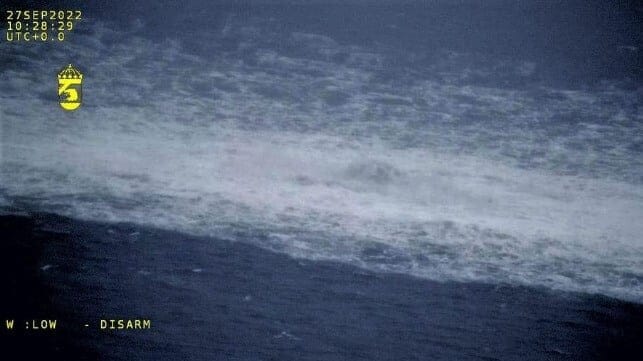
Prosecutors in Germany have formally charged a Ukrainian officer who they suspect of involvement in the 2022 attack on the Nord Stream pipeline system, which breached three out of four lines and caused the largest manmade methane release in history.
The suspicions have been public for some time. In August 2025, at the request of German officials, Italian police detained Ukrainian military veteran Serhii Kuznietsov in the resort town of Rimini. Germany accused him of contributing to the complex attack on Nord Stream 1 and Nord Stream 2 in 2022 and sought his extradition. Italian courts approved the request, despite Kuznietsov's appeals and his attempt to stage a hunger strike.
Kuznietsov now faces charges of causing an explosion, disrupting public service, damaging property, and an additional "accomplice to war crimes" charge for an attack on civilian infrastructure. According to German authorities, he and his colleagues chartered a small yacht in Rostock using forged identities and covert methods, then sailed out into the Baltic and emplaced explosive charges on the seabed pipelines.

that matters most
Get the latest maritime news delivered to your inbox daily.
German prosecutors have had less luck in securing the extradition of a second Ukrainian suspect who resides in Poland. A Polish court ruled against a German request for the suspect's transfer and released the man from custody. The Polish government - which long opposed the construction of the subsea Nord Stream system, viewing it as a strategic enabler for Russian aggression against neighboring states - has declined to intervene in the case. "It is certainly not in Poland's interest to charge or hand over this citizen to another state," Polish Prime Minister Donald Tusk told Polsat News last year. "The problem of Europe, Ukraine, Lithuania, and Poland is not that Nord Stream 2 was blown up, but that it was built."
The damage to the pipelines created a physical impediment to any effort to restart the Russian-controlled gas export system. For Ukraine, this outcome was advantageous, inflicting material damage on Russia's future prospects for resuming EU gas sales. The attack did not change the immediate status quo, as all Nord Stream deliveries had already shut down due to political positioning in both Germany and Russia - but even if a future German government wanted to resume subsea deliveries of cheap Russian energy, the damage to the lines would make it difficult to do so.
