


Damage to World's Largest LNG Plant Could Take 3-5 Years to Fix
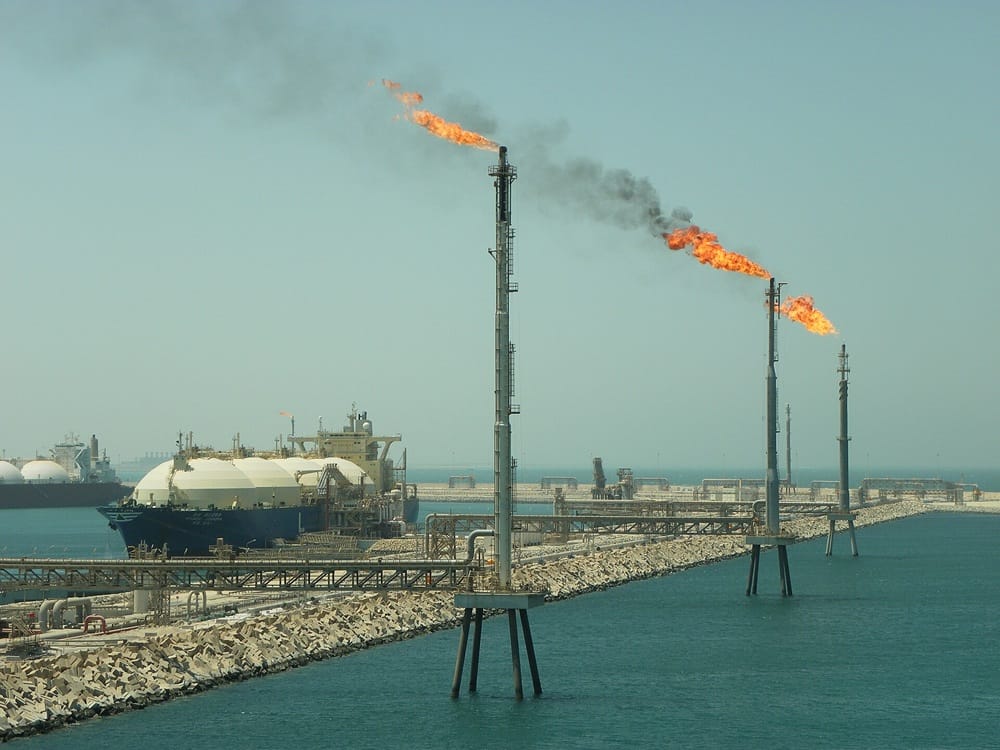
The Iranian strikes on Ras Laffan yesterday hit the world's biggest LNG export plant, and Qatari officials say that the damage was so extensive that it will take years to fully recover.
The strike on Ras Laffan is the most significant kinetic attack on an LNG facility in decades, perhaps ever, and some analysts have been caught by surprise at the extent of the work required to bring it back online. LNG plants are capital-intensive, engineering-heavy installations. Export projects all over the world draw on the same handful of highly specialized contractors for equipment and construction services, at high costs.
As the world's biggest LNG production company, QatarEnergy has deep access to capital and to industry suppliers - but even its best-in-class connections will not mean a rapid turnaround. QatarEnergy CEO Saad al-Kaabi told Reuters on Thursday that the strikes had taken two out of 14 LNG trains at the terminal out of commission, equivalent to 13 million tonnes per annum of export volume - roughly 17 percent of the site's production capacity.
Repairs would take up to five years, he said. For a ballpark estimate of the cost of the work, the original construction bill came to $26 billion for the two trains.
al-Kaabi said that the damage would force QatarEnergy to declare force majeure for LNG shipments to Italy, Belgium, South Korea, and China while the repair work is under way. The company expects to lose about $20 billion a year in revenue due to the loss of business.

that matters most
Get the latest maritime news delivered to your inbox daily.
The Ras Laffan missile strike was carried out in retaliation for an Israeli attack on Iran's South Pars field, which supplies the gas used for 80 percent of Iran's electricity supply. After the severity of last night's Iranian counterstrike, President Donald Trump said that he has instructed Israel to conduct no further targeting of Iran's energy industry.
Top image: Matthew Smith / CC BY 2.0

