


Australia Likely to Fine Racing Yacht After Hitting Great Barrier Reef
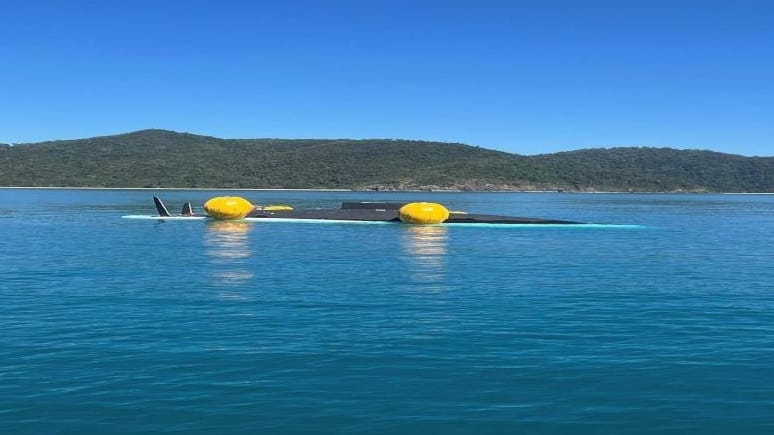
The skipper and organizers of a thrilling odyssey to circumnavigate the planet could be slapped with hefty fines after one of the luxurious yachts in the flotilla grounded in an environmentally sensitive area in Australian waters.
The 82.5-foot (25-meter) Viva La Vida yacht (Oyster model 825), which is part of a 23-yacht flotilla participating in the 2026-27 edition of the Oyster World Rally, sank in the Whitsunday Islands, which form part of the Great Barrier Reef, a sensitive coral habitat ecosystem.
The Great Barrier Reef Marine Park Authority said that the yacht was sailing at high speed when she hit a rocky reef off Long Island, causing damage to the lower part of her keel. Following hitting the rock in the Whitsunday Islands, which are notoriously difficult to navigate, the vessel quickly capsized and was adrift.
All 10 people onboard the yacht were safely rescued following the incident that occurred during the odyssey’s Hamilton Island race week on August 21. Although there have been no reports of diesel leaks, the upturned wreck has been anchored to minimize the potential of catastrophic grounding as recovery operations continue.
According to Reef Authority, salvors have managed to stabilize the 56-tonne wreck on the surface with lift bags and intend to remove the mast and rigging and tow the vessel to Mackay in the coming week, depending on weather conditions.
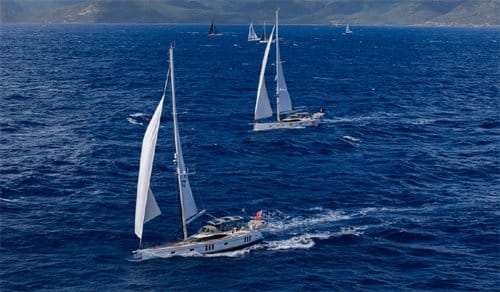
Yachts starting the adventure off Antigua in January 2026 (Oyster)
The Viva la Vida was one of seven yachts in the 825 series built by the British company Oyster Yachts. Designed by British design studio Humphreys Yacht Design, the vessel was delivered in 2019.
Oyster Yachts is the organizer of the Oyster World Rally, an odyssey described as the ultimate sailing adventure that gives expeditioners the thrill of circumnavigating the globe, covering 27,000 nautical miles in a span of 16 months starting and ending in Antigua. The exclusive event has been organized every two years since 2013, with the 2026-27 edition having started on January 18.
The skipper and the British firm are now facing the prospects of hefty fines following Viva la Vida's grounding in a sensitive coral habitat ecosystem that is part of the UNESCO World Heritage-listed site. Under Marine Park legislation, the maximum penalty for a vessel causing damage to the ecosystem is 1,000 penalty units, which is currently A$364,000 (US$260,668). The actual penalties depend on the circumstances and severity of individual incidents, with the largest fine imposed under this provision in recent years being under A$10,000 (US$7,200).
“Corals can be broken, crushed or dislodged in seconds, while recovery can take years,” said Mark Read, Reef Authority Field Management Strategy Director. “The responsibility is on every skipper to know the rules, remain vigilant and navigate safely.”

that matters most
Get the latest maritime news delivered to your inbox daily.
The Reef Authority said that almost 60 vessels run aground or sink in Great Barrier Reef waters annually, something that has forced the authority to impose fines in efforts to protect the sensitive environment.
It reports an average of 58 groundings and sinkings annually across the Great Barrier Reef Marine Park and Great Barrier Reef Coast Marine Park over the past five years. It has ranged from a low of 38 incidents to a high of 77 incidents a year.
