


Wright: US Sanctions Relief for Shadow Fleet Will Involve S&P Deals
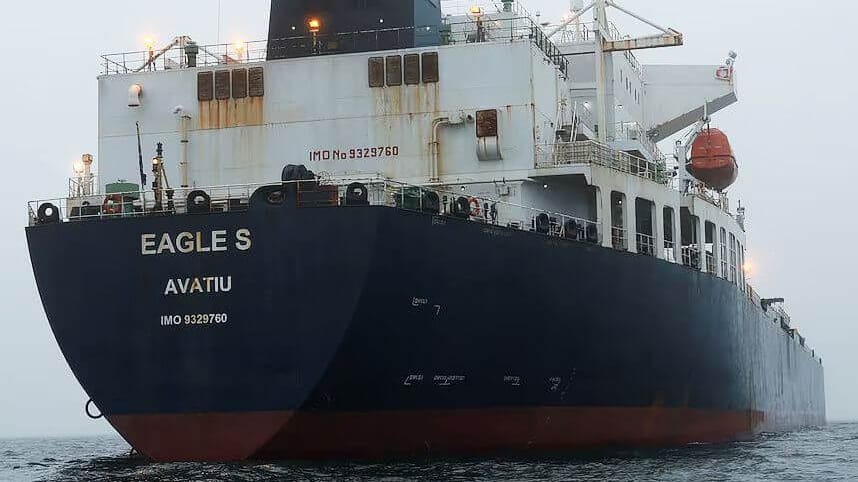
To address the historically-high cost of shipping oil on long-distance routes, the White House has announced that it will ease sanctions on shadow fleet tankers, a decision panned by some in the industry as unworkable. But the details are different than simply a waiver process, Energy Secretary Chris Wright told Bloomberg on Monday: the U.S. sanctions designation will be removed when a "dirty" tanker is sold to a new owner and moved into a legitimate trade lane.
The announcement is a new line of effort for the administration, and reflects the depth of the challenges that the Iran conflict has created. A concerted U.S.-backed effort to shuttle oil through the Strait of Hormuz has successfully restored much of the flow that disappeared early this year, at great financial and human cost. Despite Iran's frequent attacks on shipping, about 10 million barrels per day are getting through the strait. This is enough to bring Mideast crude export totals back up to about 80 percent of pre-conflict norms, according to The Wall Street Journal.
The hard-won bounceback in volume would normally support a drop in oil prices, the Trump administration's greatest hope ahead of midterm elections. But even with flow restored, tanker availability remains constrained; in a tight market, day rates for large tankers are so high that shipping cost alone is sustaining benchmark crude oil prices at $100-plus per barrel. This tanker shortage is the motivator for removing sanctions on available vessels in the shadow fleet, the administration says.
"We’re going to move some of the ships from what I call the 'bad-guy fleet' to the 'good-guy fleet,'" Wright said at a conference event Monday. "They will not carry sanctioned oil anymore."

that matters most
Get the latest maritime news delivered to your inbox daily.
The arrangement Wright outlined suggested S&P transactions. Investors would buy sanctioned tankers, refit them, then use the tonnage to move legitimate cargo. "We are converting dark tankers to legitimate tankers," Wright told Bloomberg. "There is no removing of sanctions."
Implicit in any purchase would be a transfer of funds to shadow fleet owners, and at favorable market timing. In a superheated charter market with immediate opportunities, an available used tanker can cost far more than a brand new one ordered for later delivery. Even a 15-year-old Suezmax - a typical shadow-fleet vessel - can fetch $100 million secondhand, per the latest brokerage figures, four times what it would have been worth in 2021. A sale on these commercial terms would net a large profit for shadow-fleet owners who bought older tonnage and deployed it in sanctioned trade lanes.
