


US Plans Fees Citing Evidence of Spain’s Restrictive Port Practices
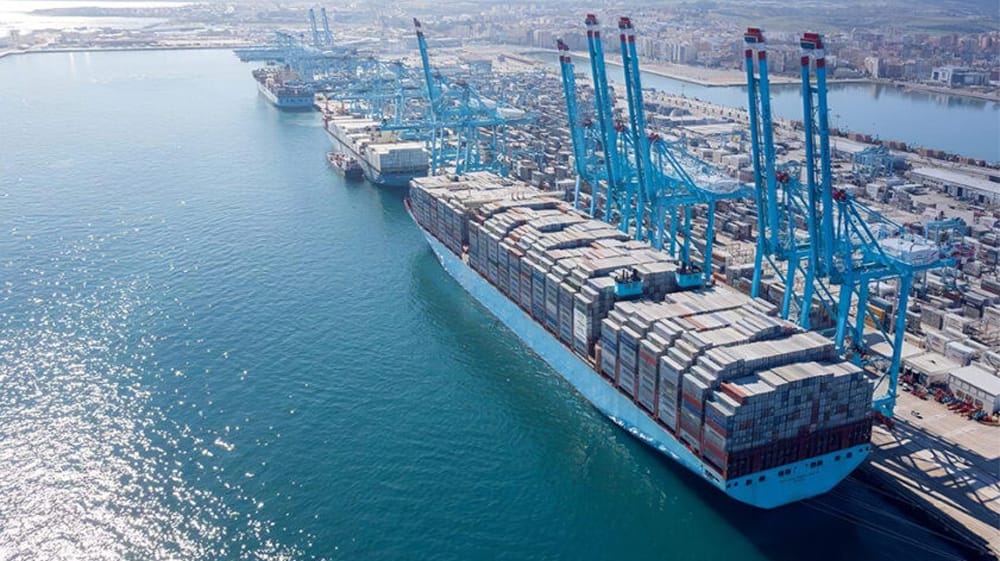
After a nearly two-year investigation, the Federal Maritime Commission says it found “conclusive evidence” of restrictive port practices by Spain that were creating unfavorable shipping conditions in foreign trade. The FMC is proposing fines for Spanish-flagged vessels and restrictions on the importation of certain Spanish goods.
The investigation stems from incidents in November 2024, which saw vessels operating for the U.S.-flagged Maersk Line, Ltd. divert from Algeciras to Morocco. It started with a series of protests by activists in Spain, which pressured the government to deny the port calls. They asserted that the Maersk ships were carrying military supplies to Israel, supporting the war in Gaza, which violated Spain’s ban on the transshipment of arms to Israel through its ports. The activists said that the ships had been regularly transporting these cargoes since at least September 2023.
A Maersk spokesperson at the time said the company understood that it is Spain’s discretion to change its criteria while emphasizing that the cargo it was carrying was all legal. Further, they said that “cargo to be transshipped through the port does not include any military weapons or ammunition.” Maersk Line, Ltd. participates in MARAD’s Maritime Security Program, and a large share of the cargoes are government-owned goods and equipment, including military cargoes.
The investigation was launched in December 2024, with the FMC citing a report from The Maritime Executive about the diversions. In December 2025, the FMC said it was seeking input while highlighting that it could impose fines of up to approximately $2.3 million per voyage on Spanish-flagged vessels.
The FMC is saying that three ships were diverted and that since then carriers have been substituting port calls in Tangier instead of Algeciras. It says the investigation determined that Spain “has created unfavorable shipping conditions against U.S. flagged vessels.”
In announcing its findings, the FMC writes, “These unfavorable conditions have grave consequences for the efficiency and reliability of the international ocean shipping supply chain, as well as the ability of the FMC to promote the growth and development of U.S. exports, encourage the development of a liner fleet of U.S. vessels capable of meeting national security needs and supporting commerce, and supporting the U.S. merchant marine.”
The FMC is now seeking public comment on its proposed actions, which include a fee of $200,000 per voyage to the U.S. by Spanish-flagged vessels. It is also recommending restrictions on the importation of Spanish goods, including olive oil, perfumery and cosmetics, ceramics, articles of stone, and sugar and confectionaries.

that matters most
Get the latest maritime news delivered to your inbox daily.
It will offer Spain an opportunity for a hearing before imposing the penalties. Spanish authorities have consistently said they were acting under international and Spanish law and European Union restrictions. They respond that the limitations are applied to all vessels regardless of flag that are seeking to call in Spanish ports.
There were several instances during the peak of the war in Gaza where activists sought to turn back vessels or deny port calls on the belief they were transporting materials to Israel to support the war. There were also reports of port workers refusing to handle ships they believed might be carrying cargo to Israel to support the war effort.
