
Report: Houthis May Attempt to Impose Fees on Red Sea Transits
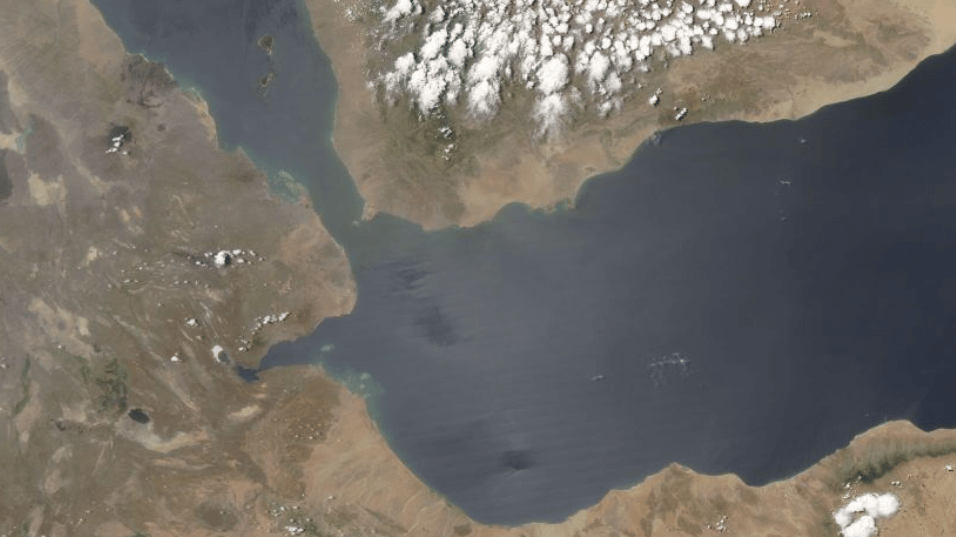
Yemen's Houthi rebels have launched attacks on Saudi shipping in a show of solidarity with Iran, disrupting tanker traffic in and out of Yanbu. But even when the hostilities inevitably come to an end, the group might attempt to exercise a form of permanent control over Red Sea navigation, according to Reuters.
Houthi forces have attacked as many as four Saudi-linked tankers since July 20, prompting a drop-off in transit volume in the Strait of Bab el-Mandeb and a diversion of oil cargoes northwards to the Suez Canal, a more constrained and less efficient route. The group has backing from Iran in this endeavor, and two regional officials told Reuters that the Iranian government is advising them on how to set up a fee-for-transit system for transits of Bab el-Mandeb.
The fee system would have several benefits for the Houthis, starting with an injection of much-needed funding. High-value commercial shipments flow through the southern Red Sea; a six- or seven-figure fee could be an acceptable cost of doing business for certain shipping interests, if sanctions could be mitigated. It would also give the Houthi group a greater degree of de facto control and political influence within its region. (Chinese vessels would be exempt, consistent with reports that the Houthis are allowing China's tankers to pass to and from Saudi ports without interference.)

that matters most
Get the latest maritime news delivered to your inbox daily.
For Iran, a Houthi fee system would complement its own regional plans. Iran would like to impose its own unilateral fees on the Strait of Hormuz, which has always been treated as a public thoroughfare under international law. Hardline leaders in Tehran believe that they have the practical means to impose Iranian sovereignty over all traffic, including areas in the Omani half of the waterway. If the Houthis did the same in the southern Red Sea, Iran's actions would be less of an outlier, reports Reuters.
For shipping, a fee system would be an extra cost and a potential obstacle to obtaining Western insurance. However, if these obstacles could be resolved, and the Houthis create organizational controls to guarantee safety for vessels that have paid, it could provide a means to purchase passage through a critical choke point that has been plagued with security risks for years. At least one prominent owner has suggested that a fee would be acceptable for Hormuz as a cost of doing business; properly administered, the same might apply at Bab el-Mandeb.
