
UK's New Prime Minister Faces Early Test on Offshore Oil and Gas
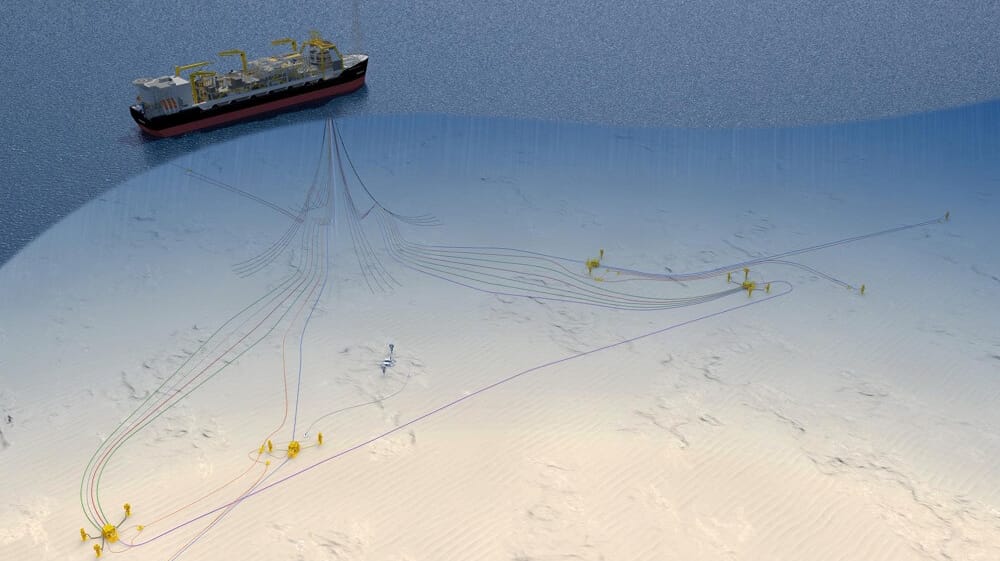
The UK's new prime minister has a tough new decision in the weeks ahead: Andy Burnham, the former mayor of Greater Manchester, will have to choose whether to grant production consent for the Jackdaw and Rosebank fields in the UK North Sea. The two projects are key to the future of Britain's offshore oil industry and would boost energy independence, drilling advocates say - but critics want the development plans shelved in order to keep Britain aligned with its climate commitments.
Rosebank is a discovery west of Shetland, and it dates back to 2004. 22 years later, it remains untouched, and is now the largest undeveloped oil field remaining in UK waters. Its location in the open North Atlantic is an engineering challenge, and the development plan calls for the use of an FPSO - Petrojarl Knarr, built in 2014 and repurposed as Petrojarl Rosebank.
Jackdaw is an offshore gas field to the east of Aberdeen in the central North Sea. Like Rosebank, it was discovered in the 2000s, and it contains enough gas to provide about six percent of UK demand. Its unmanned wellhead platform is already installed and its wells largely drilled, and it would come online swiftly once consented.
The projects were both approved by previous Conservative governments, then suspended by court order pending a revised environmental review process. That review will wrap up in August, at which point the current Labour government will have to decide whether to grant approval for a second time or deny permission to proceed.
While Labour has promised not to issue new licenses for oil and gas E&P, Jackdaw and Rosebank fall into a different category, as they were licensed long ago. The Burnham government is said to be reviewing the possibility of granting production consent, the final regulatory green light.
"This is not about either oil and gas or renewables, we need both. We must continue to embrace the build out of our world leading low carbon technologies, but whilst we need oil and gas, policies must prioritize our domestic production," said Offshore Energies UK's energy policy director, Enrique Cornejo. "Prioritizing our North Sea for more, not less, of the oil and gas we inevitably need is better for our jobs and communities, tax revenues, energy security and emissions."

that matters most
Get the latest maritime news delivered to your inbox daily.
Drilling opponents have noted that the projects will result in CO2 emissions.
"Some argue that permitting Rosebank and Jackdaw would not technically breach Labour’s previous commitment to stop issuing new oil and gas licenses. Such legal or procedural distinctions may have political relevance, but they are immaterial to the physics of climate change," wrote Professor Kevin Anderson, Dr. Christopher Jones, Dr. Jaise Kuriakose and Professor Alice Larkin, all of the University of Manchester's Tyndall Centre. "If these developments proceed, they will ultimately result in the release of hundreds of millions of tonnes of additional carbon dioxide, further reducing the already vanishing space for climate action."
