


Inland Vessel Grounds in the Rhine With 250 Tonnes of Hydrogen on Board
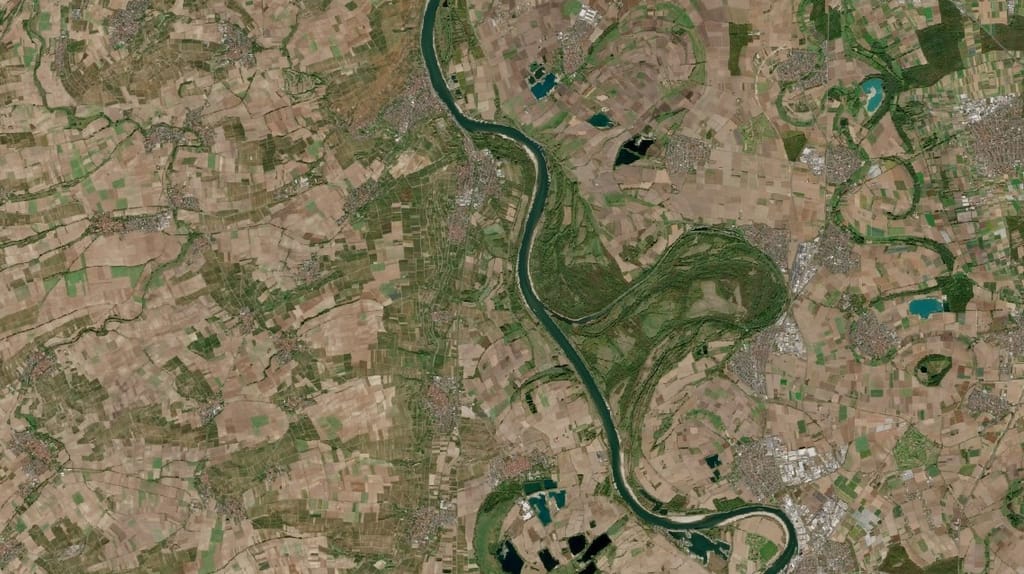
On Sunday, an inland vessel laden with a cargo of hydrogen went aground on the Rhine, restricting traffic on the upper stretches of the river. It is the latest in a string of groundings of varying severity on the drought-stricken waterway, which has been unable to carry typical volumes of industrial traffic due to months of persistent low water levels.
At about 0700 hours on Sunday morning, the cargo vessel was downbound on the Rhine near the village of Ludwigshohe when it became stranded, the local water police reported. It was the fourth such instance of the weekend, three other ships having grounded nearby on Saturday and Sunday.
All of the incidents have reportedly resolved without difficulty and the vessels were able to refloat. To prevent a recurrence, a vessel size restriction was put into effect on the Rhine near Mainz.
The low water levels on the Rhine have set new records this year and have disrupted German industry. In Cologne, levels fell to just 40 centimeters at a key river gage, a historic low, according to NTV. The situation is not expected to improve until significant volumes of rain return to the entire region at the end of the season. Augmented train and truck transport networks are filling the gap for industrial commodities like coal, coke, iron ore and scrap metal, according to trading news outlet Eurometal. Specially-constructed shallow draft inland vessels also can carry more cargo and operate at lower river gage levels than conventional peers, but availability of this newer tonnage is limited. For most commercial vessels, the water near Mainz is so low that the Rhine is divided in two, unnavigable in the middle when laden with cargo.

that matters most
Get the latest maritime news delivered to your inbox daily.
"At the moment, the Rhine is fed – roughly speaking – only by sewage treatment plants, glacial ice and a little groundwater inflow," Rhine Waterways and Shipping Office expert Florian Krekel told DPA.
Overall, the Rhine's low water restrictions are expected to trim nearly half a percentage point off of Germany' GDP for 2026, according to a forecast by the German Economic Institute (IW). The losses are concentrated in the industrial enterprises that line the Rhine corridor, the historic cradle of German manufacturing.
