

As Midterms Approach, Signs of Impending Return to Open Conflict With Iran
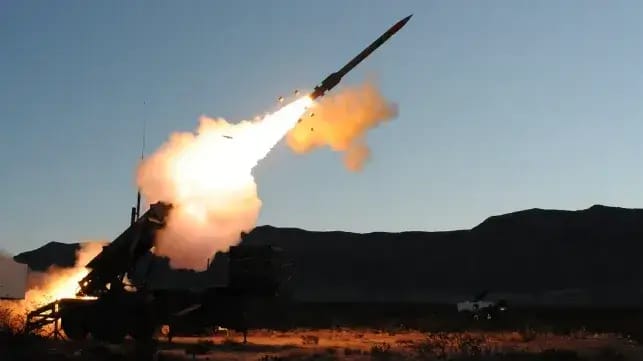
The U.S. military is building up strength for the possibility of renewed conflict with Iran after the midterm elections, multiple reports indicate, and American diplomats are warning the GCC states to get ready for a new wave of high operational tempo strikes.
As U.S. attacks are usually followed by Iranian retaliation in the form of missile and drone strikes, both from Iran itself and from its regional proxies, preparation also means reducing the risk of casualties. On Wednesday, Israeli media reported that the Pentagon is deploying a scarce Patriot air defense battery from Texas to Israel, continuing the U.S. effort to protect its closest Mideast ally from Iranian missiles. The Washington Post has reported that the U.S. Army and Navy have expended more air defense interceptors to defend Israeli airspace this year than the Israeli Defense Force has used itself, contributing to the global shortage of THAAD and SM-series air defense munitions.
The U.S. State Department and the Pentagon have also been drawing down non-essential personnel to reduce risk. The Department of State ordered the departure of most government employees and their families from Saudi Arabia earlier this month, responding to the ramp-up in Houthi missile strikes in the Kingdom. Quiet personnel withdrawals have also been reported at embassies and bases throughout the Gulf region - a demonstration of the lessons learned in the first phase of the conflict earlier this year, when Iranian attacks caused extensive damage to host-country base infrastructure and inflicted multiple casualties.
U.S. intelligence officials believe that Iran has put together "advanced" plans for attacks on U.S. citizens in the Gulf region, according to the New York Times, and possibly as far afield as Europe. The threat level is assessed to be the highest yet since the start of the war in February; officials did not specify whether the planned Iranian attacks would be preemptive or would be activated as a form of retaliation in the event of an American strike.
Amidst these reports of an impending renewal of full-scale hostilities, diplomats from the GCC states and beyond have been attempting to work out a deal with Iran that the White House would accept. This week, diplomats from Turkey, Pakistan, Qatar and Saudi Arabia met in Tehran with top Iranian officials in an attempt to head off a military confrontation - and the likely prospect of Iranian retaliatory attacks on GCC energy infrastructure. The talks reportedly centered on convincing Iran to speed up concessions on nuclear-program inspections and on lifting its anti-shipping campaign in the Strait of Hormuz; the proposals reportedly have not gained traction, with Iran maintaining its previous stance. China has also announced that it will send a diplomatic envoy to the Mideast, intending to "strengthen communication with relevant parties, promote contact and dialogue, and help ease tensions."

that matters most
Get the latest maritime news delivered to your inbox daily.
Iranian Foreign Minister Abbas Araghchi emphasized on Wednesday that he and his team remain open to diplomacy and will continue to engage with mediators.
On Wednesday, when about the prospect of renewed strike on Iran, President Donald Trump told reporters that "I can't tell you that . . . but anything's possible."